
Fun facts Denmark travelers discover show that this Scandinavian nation is home to the world’s oldest monarchy, the birthplace of LEGO blocks, and the cozy cultural concept of hygge. Known for its flat terrain, cycling dominance, and high happiness rankings, Denmark combines rich Viking heritage with modern sustainable living.
Have you ever wondered what makes a nation consistently rank among the happiest and most peaceful places on our entire planet? Uncovering surprising fun facts Denmark residents know by heart reveals the secrets behind this charming Scandinavian kingdom.
You do not need to pack your winter jacket or book a pricey Scandinavian tour to appreciate the quirky culture and rich Viking history of this northern gem. Let us take a friendly look at what makes Danish life so unique.
Whether you love colorful coastal harbor towns or building plastic brick toys, exploring fun facts Denmark culture shares brings Scandinavian charm right to your screen. You will find incredible historical stories waiting right here.
Get ready to discover royal family records, bicycle highway systems, and cozy lifestyle philosophies designed to make fun facts about Denmark trivia your absolute favorite conversation starter.
Why Denmark Ranks Among the Happiest Places on Earth

The Magic Concept of Hygge and Cozy Living
Danes credit much of their legendary daily contentment to hygge, a special cultural term that roughly translates to creating a warm, cozy atmosphere. Enjoying warm candles, soft woolen blankets, and hot pastries with good friends embodies this simple art of mindful comfort.
Trust as the Foundation of Everyday Society
Danish society thrives on exceptionally high levels of interpersonal trust, where citizens regularly leave baby carriages unattended outside cafes. This strong sense of community safety fosters deep psychological security and collective well-being across cities and towns.
- Enjoying simple indoor comforts during dark winter afternoons with lit candles
- Relying on social trust networks that make public daily life feel completely safe
- Balancing productive work hours with generous family and leisure time
Royal Traditions and Historical Milestones
The Oldest Continuing Monarchy in Europe
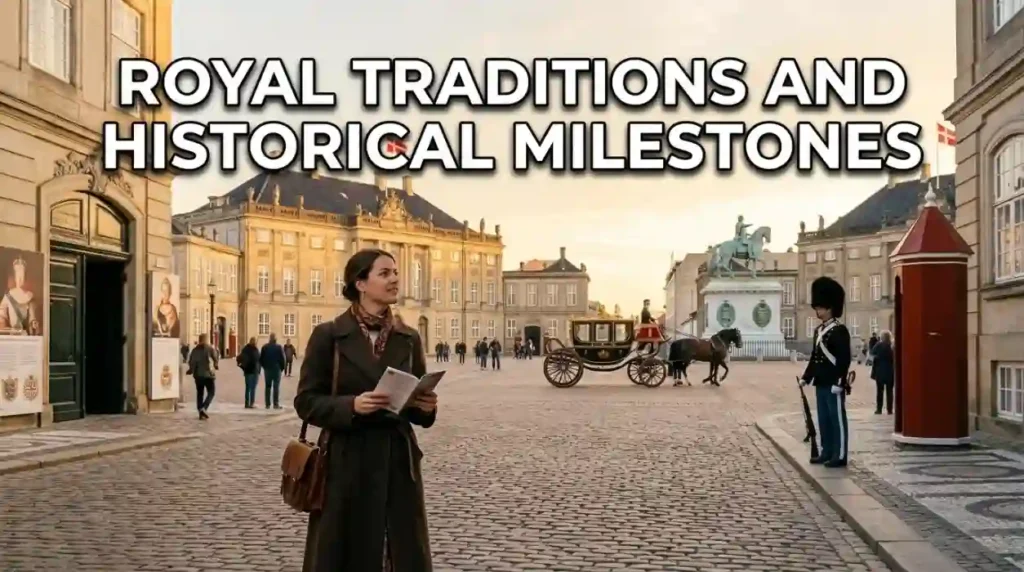
Denmark proudly maintains the oldest continuous royal family line in all of Europe, dating back over a thousand years to early Viking kings like Gorm the Old. Queen Margrethe the Second and her royal descendants connect modern citizens directly to ancient Norse heritage.
Inventing the World Famous Lego Brick Toy
The universally beloved Lego toy brick was invented in the Danish town of Billund by carpenter Ole Kirk Christiansen during the nineteen thirties. The name Lego combines two Danish words, leg godt, meaning play well, which became a global creative empire.
- Constructing massive amusement parks like the original Lego House and Legoland
- Preserving ancient runic stones carved by medieval Viking rulers across the countryside
- Celebrating national holidays with traditional royal balcony waves in Copenhagen
Unique Geography and Bicycle Culture
Flat Landscapes and More Bikes Than People
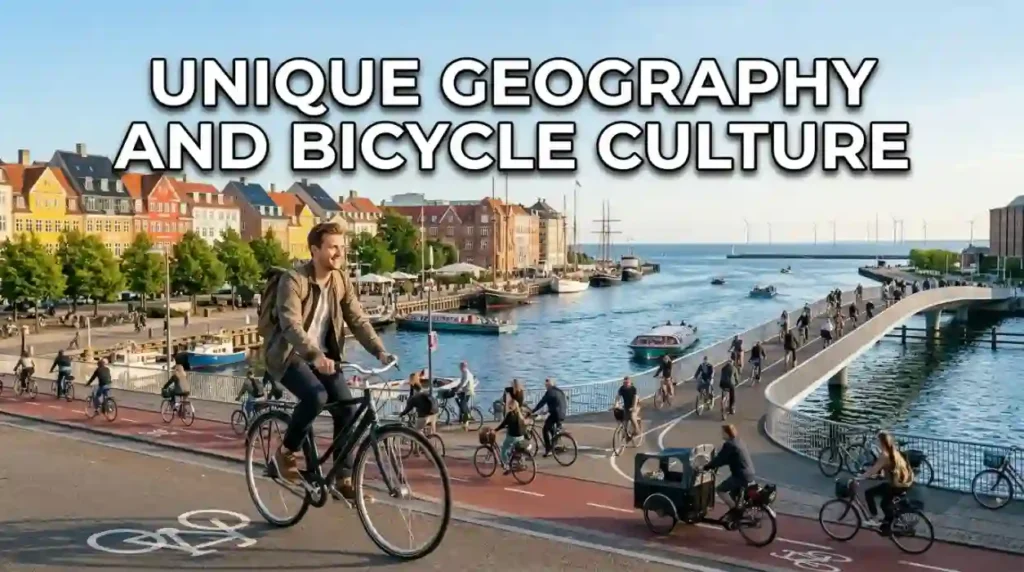
Denmark features an exceptionally flat terrain, with its highest natural point standing less than six hundred feet above sea level. Because the land is so level, bicycles outnumber cars in cities like Copenhagen, supported by massive elevated bike highways and dedicated commuter lanes.
Surrounded by Thousands of Islands and Coastlines
Although Denmark connects directly to the European mainland through the Jutland peninsula, it consists of over four hundred named islands. You are never more than thirty miles away from the crashing ocean waves or a peaceful sandy beach anywhere in the country.
- Commuting to work daily along dedicated, snow-plowed bicycle highway bridges
- Exploring historic coastal fishing villages featuring brightly painted timber houses
- Crossing the engineering marvel Oresund Bridge connecting Denmark directly to Sweden
Innovative Green Energy and Wind Turbines
- Leading global transitions toward renewable wind energy power generation
- Constructing massive offshore wind turbine farms along coastal shallow waters
- Designing carbon-neutral urban architecture like wastewater ski slopes in Copenhagen
Quirky Danish Traditions and Cultural Customs

Burning Witches on Midsummer Bonfires
During Sankt Hans Aften every June, Danes gather around massive coastal bonfires to burn straw witches and sing traditional songs celebrating midsummer. This ancient folk custom historically aimed to ward off evil spirits during the shortest night of the year.
Celebrating Birthdays With Flying Flags
Danish flags decorate birthday cakes, dinner tables, and front porches whenever a family member celebrates another year of life. Seeing the red and white Dannebrog flying outside a home signals to neighbors that a joyous family celebration is underway.
- Baking traditional cinnamon pastry treats known locally as kanelsnegle
- Flying national flags on street lamps whenever the royal family visits towns
- Gathering outdoors with neighbors for sunset community songs on midsummer eve
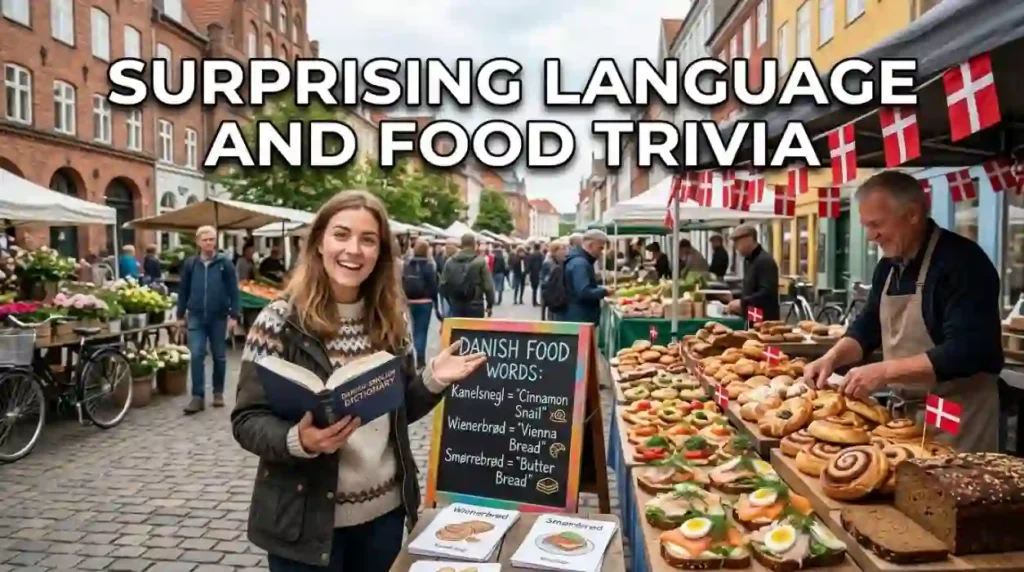
Surprising Language and Food Trivia
No Direct Translation for Please in Danish
The formal Danish language historically lacked a direct single word equivalent to the polite English word please, relying instead on tone of voice and sentence phrasing. Modern Danes express courtesy through warm gestures, shared eye contact, and sincere hospitality.
A Nation of Passionate Coffee and Pastry Lovers
Danes consume some of the highest amounts of coffee per capita across the entire world, pairing their morning brews with buttery layered pastries. Despite being called Danish pastries globally, the flaky dough treats were actually brought to Copenhagen by Austrian bakers.
Practice Exercise
- What does the Danish word combination Lego translate to in English?
A. Build fast
B. Play well
C. Plastic toy
D. Red brick - Why are bicycles exceptionally popular for daily commuting in Danish cities?
A. Cars are officially illegal inside all city limits
B. The country features a very flat terrain supported by dedicated bike highways
C. Bicycle tires cost less than walking shoes
D. Public buses run only once per week - What historical milestone does the Danish royal family hold in Europe?
A. They own the largest gold collection in the world
B. They are the only royal family elected by popular vote
C.They represent the oldest continuous royal family line in Europe
D. They reside inside an underwater glass castle - How do Danish families traditionally celebrate a member’s birthday at home?
A. By planting a pine tree in the living room floor
B. By flying red and white national flags around the house and cake
C. By wearing heavy medieval armor all day long
D. By painting the front door bright neon green - Which European country connects directly to Denmark via the famous Øresund Bridge?
A. Norway
B. Germany
C. Sweden
D. Finland
Answer Key:
1. B
2. B
3. C
4. B
5. C
FAQs
Why is Denmark consistently ranked among the happiest countries?
Denmark achieves high happiness rankings due to strong social welfare programs, economic security, high interpersonal trust, and a healthy work-life balance. Cultural practices like hygge also encourage mindfulness and appreciation for everyday cozy comforts.
Were Lego bricks actually invented in Denmark?
Lego bricks were invented in nineteen thirty-two by Danish carpenter Ole Kirk Christiansen in the town of Billund. What started as wooden toys evolved into the iconic interlocking plastic brick system we know today.
Are there really more bicycles than cars in Copenhagen?
Bicycles genuinely outnumber registered motor cars in the capital city of Copenhagen. Dedicated bicycle lanes, traffic lights timed for cyclists, and elevated bridges make cycling the fastest and most popular urban transit method.
What does the cultural term hygge mean exactly?
Hygge represents a distinct Danish feeling of cozy contentment, warmth, and comfortable conviviality. It involves enjoying simple pleasures with loved ones, such as sharing warm drinks by candlelight during chilly winter evenings.
Is English widely spoken by residents in Denmark?
Over eighty-six percent of the Danish population speaks fluent English as a second language, starting from early school education. Travelers find exploring Copenhagen and rural towns remarkably easy without speaking Danish.
How old is the Danish royal monarchy today?
The Danish monarchy spans over a thousand years of continuous history, making it one of the oldest surviving ruling institutions on Earth. Ancient Viking monarchs established the early royal lineage that continues into the modern era.
Conclusion
Exploring the charming culture, rich royal history, and innovative lifestyle of Scandinavia reveals why this northern nation captures global imagination. From cycling along bustling harbor bridges and building creative plastic brick masterpieces to embracing cozy hygge moments, Denmark offers endless inspiration for joyful living.
Taking time to appreciate different cultural philosophies enriches our own daily routines and broadens our worldview. For more amazing travel guides and international trivia, explore our complete collection of fun facts denmark articles.
Pack your bags, plan your next Scandinavian adventure, and enjoy discovering the wonderful wonders of the world today!
Rose Amili is the writer behind LaughSphere.com, a website where learning meets curiosity and fun. She enjoys exploring fascinating facts, surprising stories, science, history, nature, weather, and many other interesting subjects. Her writing style is simple, friendly, and easy to understand, making information enjoyable for readers of all backgrounds.
Through LaughSphere.com, Rose Amili hopes to spark curiosity and encourage readers to discover something new every day. She believes even an ordinary topic can become interesting when it is shared from a fresh and engaging perspective. Her goal is to create useful, enjoyable content that readers can understand easily, remember, and share with others.