

Fun facts coal geologists share reveal that coal formed hundreds of millions of years ago from ancient, compressed swamp forests. As a fossil fuel composed primarily of carbon, it holds a rich history of industrial transformation, surprising geological varieties, and unexpected everyday uses in modern chemistry and manufacturing.
Have you ever picked up a shiny black rock from a garden pathway and realized you were holding ancient sunlight trapped inside compressed stone? Exploring surprising fun facts coal geology uncovers how ordinary rocks turn into fascinating time capsules from millions of years ago.
You do not need a degree in earth sciences to appreciate how prehistoric swamp plants transformed into essential energy sources. Let us take a look at how heat, pressure, and time altered ancient forests forever.
Whether you want to learn about ancient geological eras or curious everyday uses, discovering fun facts coal history brings science to life. You will find incredible historical stories and natural secrets waiting right here.
Get ready to discover prehistoric swamp forests, jet-black jewelry, and chemical transformations engineered to make fun facts about coal science your favorite conversation starter.
How Ancient Swamps Created Black Gold Millions of Years Ago

The Carboniferous Period and Giant Swamp Forests
Around three hundred million years ago, during the Carboniferous Period, vast tropical swamps covered huge portions of the Earth. Early ferns, giant club mosses, and horsetail trees grew to immense heights in warm, humid air currents.
Why Prehistoric Trees Did Not Rot Normally
When these ancient trees died and fell into stagnant swamp water, oxygen levels remained too low for normal decay to occur. Furthermore, wood-rotting microbes and fungi had not yet evolved the enzymes needed to digest tough lignin fibers, allowing organic matter to pile up into thick peat layers.
- Thick layers of dead moss and trees accumulating under heavy mud deposits
- Slow compression squeezing out trapped moisture over millions of years
- Chemical transformations concentrating raw carbon into dense energy deposits
The Four Stages of Coal Development
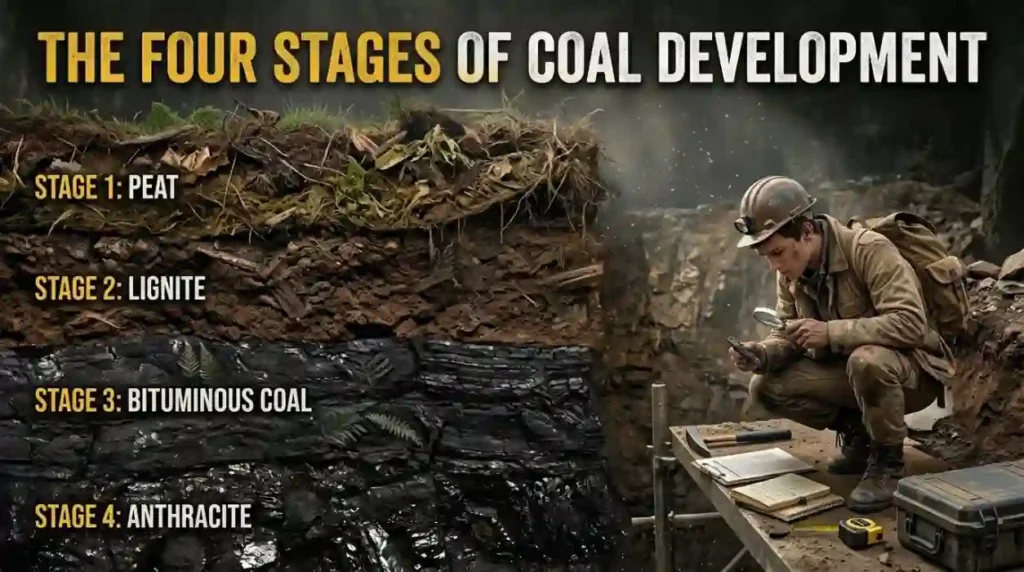
Peat: The Spongy Beginning
Peat forms the initial stage of the coal formation process, consisting of partially decayed plant material resembling compressed soil. People in rainy regions historically cut and dried peat bricks to burn as slow-burning home heating fuel.
Lignite: The Soft Brown Rock
As sedimentary rocks pile atop peat deposits, gentle geological pressure cooks the organic matter into soft brown coal called lignite. Lignite contains high moisture levels and low carbon concentrations, making it the softest commercial variety.
- Organic swamp debris settles underwater to form soft, spongy peat layers
- Accumulating mud deposits press peat down to form soft brown lignite
- Increasing tectonic pressure transforms lignite into dense bituminous rock
- Intense heat and deep pressure compress bituminous layers into shiny anthracite
Bituminous: The Dark Workhorse
Bituminous coal represents the most common variety mined across the globe today. It features a dark, banded appearance and contains significantly higher carbon levels than soft lignite, making it popular for electricity generation and steel production.
Anthracite: The Hard, Glossy Gem
Anthracite stands as the highest rank of coal, cooked under extreme heat and pressure during mountain-building tectonic movements. It boasts a brilliant metallic shine, contains minimal moisture, and burns with a hot, nearly smokeless flame.
Surprising Historical Uses Beyond Power Plants
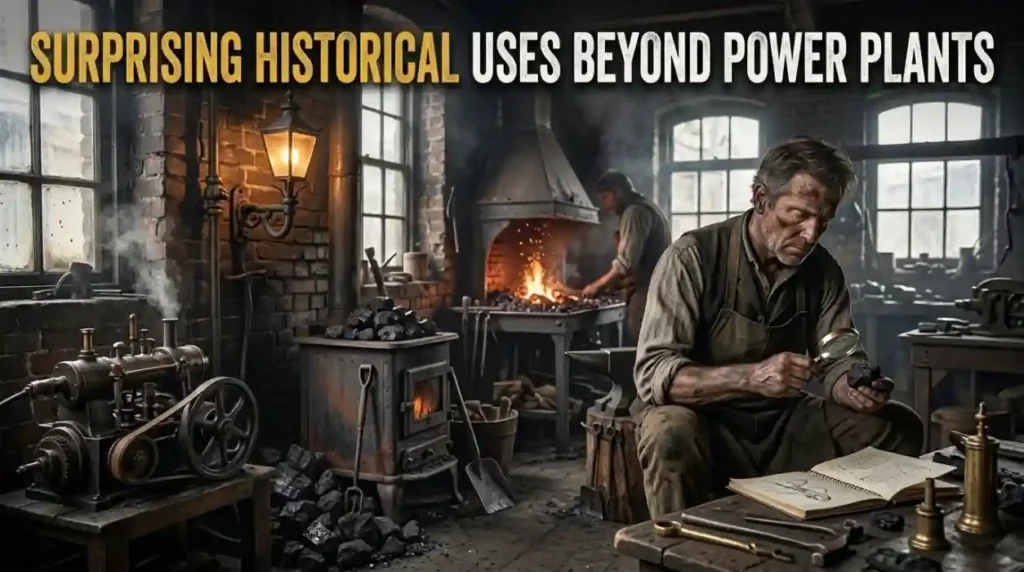
Victorian Jet Jewelry and Fashion Trends
Jet is a rare, dense form of fossilized wood closely related to anthracite coal. During the nineteenth century, Queen Victoria made carved jet brooches, necklaces, and mourning rings immensely popular across Britain and North America.
Chemical Byproducts in Early Dyes and Medicines
Coal tar, a thick liquid byproduct generated during gas production, revolutionized nineteenth-century chemistry. Scientists distilled coal tar to create the world’s first synthetic aniline dyes, artificial perfumes, and early aspirin pain relievers.
- Synthesizing bright mauve and purple fabric dyes from sticky coal waste
- Refining coal gas to illuminate nineteenth-century city street lamps
- Extracting chemical bases for early industrial plastics and synthetic soaps
Mind-Blowing Modern Facts About Coal Geology
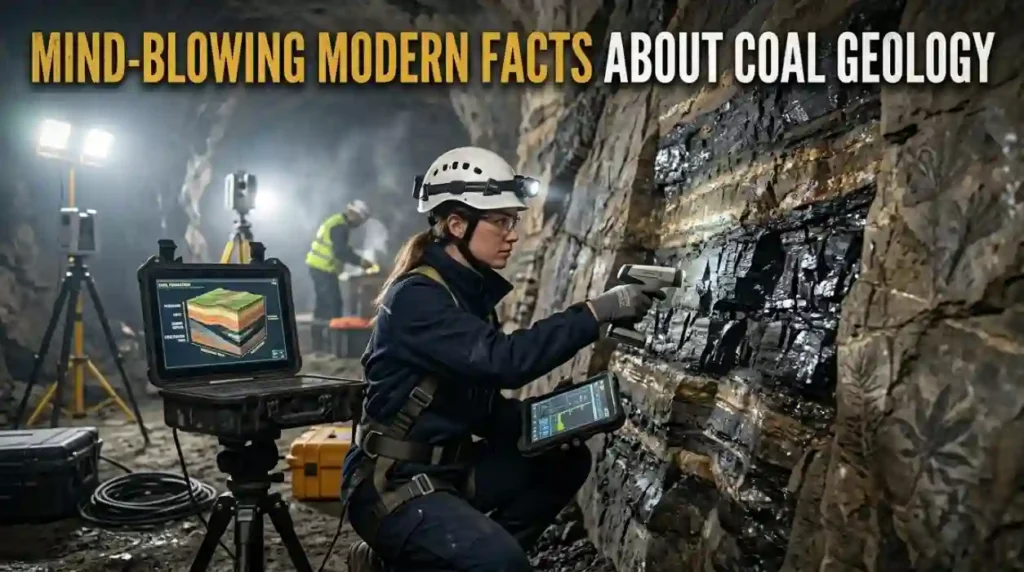
Ancient Fossils Trapped Inside Rock Seams
Mining crews frequently discover beautifully preserved fossilized leaves, tree bark patterns, and prehistoric insect wings pressed directly between rock layers. These pristine impressions offer scientists crisp snapshots of ancient tropical ecosystems.
Coal Fires That Burn Underground for Decades
Underground coal seams can catch fire naturally or through accidental industrial mishaps, burning continuously beneath the earth for centuries. The infamous Centralia fire in Pennsylvania has been burning underground since nineteen sixty-two, forcing towns to relocate.
How Underground Seam Fires Persist
- Abundant carbon fuel supplies stretching miles beneath the surface
- Fractured surface rock allowing fresh oxygen to feed deep smoldering fires
- Extreme heat retention within surrounding bedrock preventing quick cooling
Environmental Evolution and Future Energy Innovations
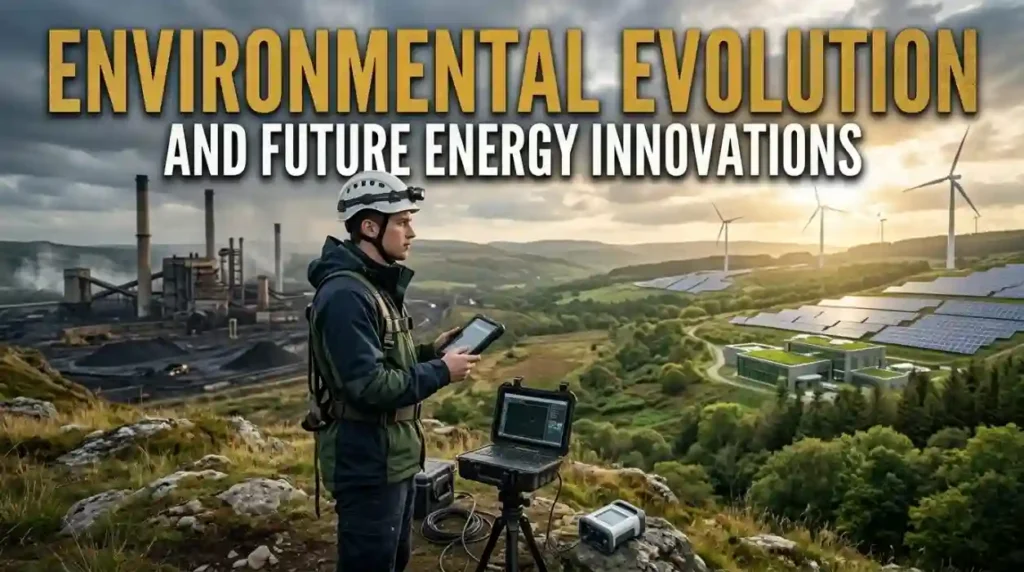
Carbon Capture and Scrubbing Technologies
Modern industrial facilities utilize advanced scrubbers to capture sulfur dioxide and fly ash particles before fumes escape smoke stacks. Emerging chemical systems aim to capture carbon dioxide emissions, converting waste gases into stable underground mineral deposits.
Converting Solid Fuel Into Clean Synthetic Liquids
Chemical gasification allows engineers to convert solid coal into synthetic gas consisting of hydrogen and carbon monoxide. Refining synthetic gas creates cleaner liquid transport fuels and chemical feedstocks for manufacturing durable goods.
- Scrubbing power station exhaust with limestone slurries to trap acid rain gases
- Utilizing fly ash waste to strengthen durable commercial concrete mixtures
- Gasifying raw carbon feedstocks to produce clean hydrogen energy supplies
Practice Exercise
- What geological time period created the vast majority of Earth’s coal deposits?
A. The Jurassic Period
B. The Carboniferous Period
C. The Quaternary Period
D. The Triassic Period - Why did dead swamp trees fail to decay normally millions of years ago?
A. Freezing polar glaciers covered the tropical equator overnight
B. Low-oxygen water and a lack of lignin-digesting microbes preserved the wood
C. Volcanic ash turned all fallen trees into solid glass instantly
D. Ancient dinosaurs consumed all oxygen in the atmosphere - Which variety of coal represents the highest rank with the highest carbon concentration?
A. Soft brown lignite
B. Fibrous damp peat
C. Hard metallic anthracite
D. Banded bituminous - What popular Victorian fashion item was carved directly from a dense form of fossilized coal material?
A. Jet mourning jewelry and decorative brooches
B. Solid gold crown jewels
C. Clear glass spectacle lenses
D. Silver pocket watch chains - What natural element feeds long-burning underground seam fires like the one in Centralia?
A. Pure underground liquid nitrogen streams
B. Constant supplies of carbon fuel and oxygen entering rock fractures
C. Solar radiation beaming through deep mine shafts
D. Electrical currents generated by surrounding iron ore
Answer Key:
1. B
2. B
3. C
4. A
5. B
FAQs
Is coal made from dinosaur bones?
Coal formed from ancient plant material like ferns, mosses, and trees rather than animal remains. These vast swamp forests died and accumulated millions of years before the first dinosaurs walked the Earth.
Can coal actually turn into real diamonds under pressure?
Most diamonds formed deep in the Earth’s mantle long before land plants existed, so they are not made from compressed coal. However, intense laboratory pressure can convert carbon sources into synthetic diamonds.
What is the softest form of commercial coal?
Lignite is the softest commercial coal rank, featuring high moisture levels and a dull brown appearance. It delivers lower heat energy compared to denser bituminous and anthracite varieties.
How do scientists know how old coal seams are?
Geologists date coal seams by analyzing radioactive isotopes in surrounding rock layers and studying fossilized plant spores trapped within the seams. This provides precise timelines for when ancient swamps thrived.
What is fly ash and how is it recycled today?
Fly ash is a fine, powdery byproduct captured from burned coal exhaust. Construction companies recycle fly ash by mixing it into concrete formulas to increase structural strength and reduce landfill waste.
Why does anthracite burn cleaner than other coal types?
Anthracite contains high carbon concentrations and minimal moisture or volatile impurities. This pure composition allows it to burn at extremely hot temperatures while producing very little smoke or ash residue.
Conclusion
Uncovering the geological journey of fossilized carbon reveals how deeply our planet’s ancient history shapes modern technology. From giant tropical swamp forests and prehistoric plant fossils to Victorian jewelry and advanced chemical scrubbers, this dark rock holds endless scientific surprises.
Understanding these natural processes helps us appreciate how energy, geology, and human innovation interconnect across centuries. For more amazing earth science guides and natural facts, check out our complete collection of fun facts coal articles.
Share your favorite discovery with friends today, keep exploring natural sciences, and never stop being curious about the world beneath your feet!

Rose Amili is the writer behind LaughSphere.com, a website where learning meets curiosity and fun. She enjoys exploring fascinating facts, surprising stories, science, history, nature, weather, and many other interesting subjects. Her writing style is simple, friendly, and easy to understand, making information enjoyable for readers of all backgrounds.
Through LaughSphere.com, Rose Amili hopes to spark curiosity and encourage readers to discover something new every day. She believes even an ordinary topic can become interesting when it is shared from a fresh and engaging perspective. Her goal is to create useful, enjoyable content that readers can understand easily, remember, and share with others.