

Fun fabric refers to textiles featuring vibrant patterns, quirky prints, unique textures, or interactive elements like glow-in-the-dark ink and heat reactivity. Crafters and decorators use these eye-catching materials to make playful clothing, expressive home decor, quilting projects, and custom accessories that showcase individual personality and creative flair.
Have you ever walked down a craft store aisle and felt your eyes instantly light up at a bolt of wild, colorful material? Working with fun fabric is one of the easiest ways to bring cheerful personality into your home sewing projects.
You do not need decades of tailoring experience or expensive equipment to create amazing textile art. Let us look at how picking the right materials turns simple DIY ideas into absolute masterpieces.
Whether you want to stitch cozy throw pillows or design quirky tote bags, choosing fun fabric brings instant excitement to your creative space. You will find practical material guides and project ideas waiting for you right here.
Get ready to discover natural fiber choices, bold print styles, and essential care techniques designed to make fun fabric your favorite crafting medium.
Why Fabric Selection Transforms Simple Crafting

The Emotional Impact of Color and Pattern
Textiles set the sensory mood for any room or outfit faster than almost any other design element. Surrounding yourself with playful prints, bright floral motifs, or humorous novelty patterns sparks instant joy and reduces daily stress.
Texture as a Tactile Storytelling Tool
Combining smooth cottons with fuzzy velvets or bumpy corduroys adds a rich physical dimension to your creations. Texture invites people to reach out and touch your work, making handmade gifts feel deeply thoughtful and engaging.
- Creating custom home decor items that reflect your unique sense of humor
- Elevating basic sewing patterns using vibrant, unexpected material prints
- Expressing personal style through custom accessories like scarves and totes
Understanding Key Fiber Types for Your Projects
Breathable Natural Fibers for Everyday Comfort
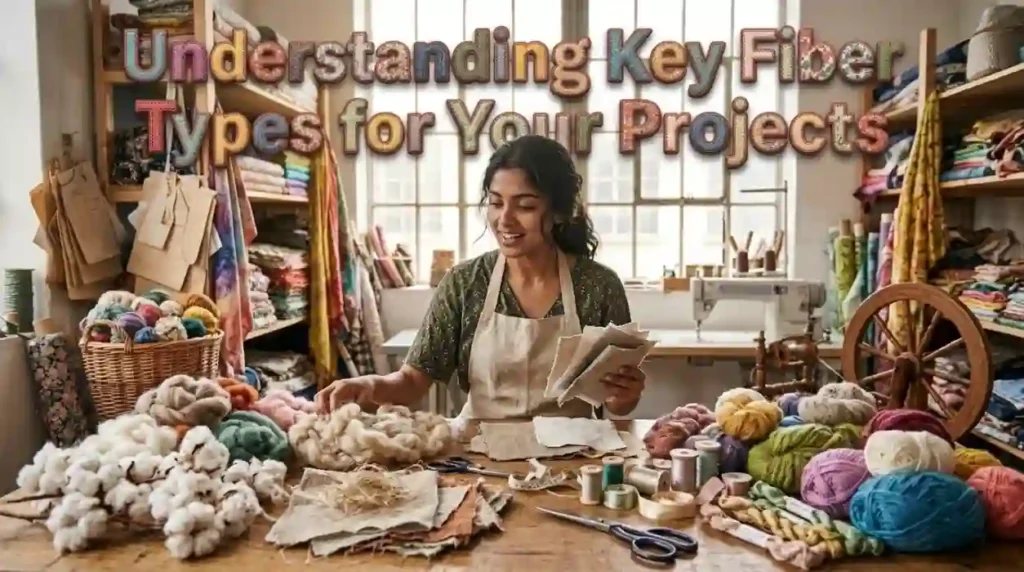
Cotton remains the most popular choice for beginner crafters because it holds its shape cleanly under a sewing machine needle. Linen provides a relaxed, textured drape for summer clothing, while wool delivers rich warmth for cozy winter blankets.
Durable Synthetic and Blended Materials
Polyester and nylon offer exceptional stain resistance and color retention, preventing bright patterns from washing out over time. Blended fabrics combine the soft breathability of natural fibers with the wrinkle-resistant strength of synthetics.
- 100% quilting cotton for crisp edges, easy cutting, and flat ironing
- Rayon and viscose blends for silky movement and lightweight apparel
- Fleece and minky fabrics for ultra-soft stuffed toys and baby blankets
Specialty Interactive Textiles
Modern textile engineering introduces materials that change color when exposed to sunlight or body heat. Photocomposites, glow-in-the-dark threads, and reflective weaves turn ordinary garments into interactive visual experiences.
Unique Textile Features
- Solar-reactive inks that reveal hidden patterns when you step outdoors
- Temperature-sensitive dyes that shift shades with a warm touch
- Retroreflective threads that glow brilliantly under nighttime flashlight beams
Popular Pattern Categories and Aesthetic Styles
Quirky Novelty Prints and Pop Culture Themes
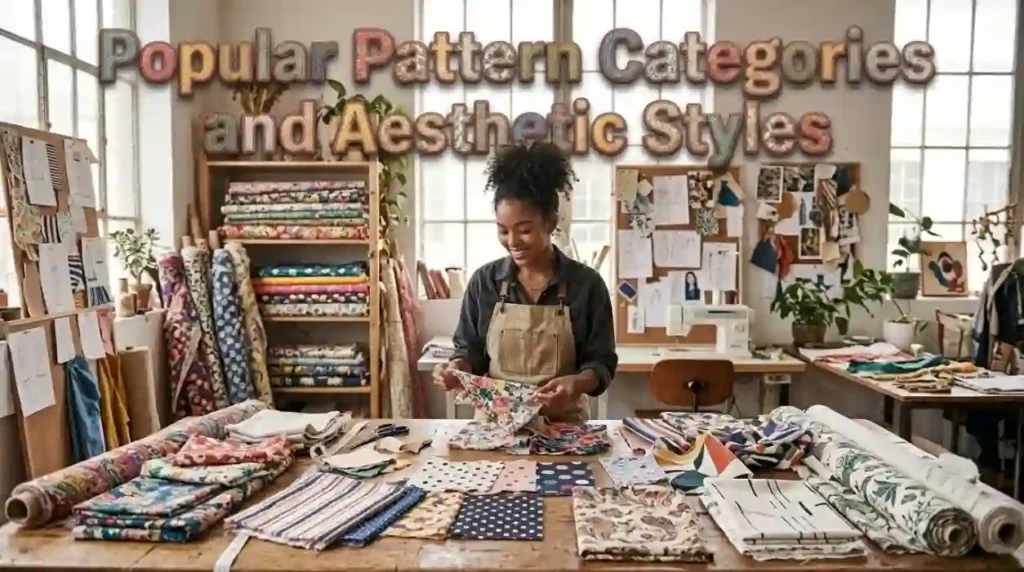
Novelty prints feature everything from floating retro space cats to stacks of delicious breakfast waffles. These playful designs let you celebrate obscure hobbies and favorite foods directly through your sewing creations.
Bold Geometric Shapes and Retro Patterns
Abstract shapes, neon chevrons, and mid-century modern atomic prints add dynamic energy to modern room decor. Pairing geometric prints with solid background colors keeps your projects looking stylish rather than overwhelming.
- Select one main focal pattern featuring your favorite bold design
- Choose two smaller accent prints that share similar color tones
- Add a solid neutral material to give the viewer’s eyes a peaceful resting place
- Blend smooth and textured fabrics to maximize tactile interest
Whimsical Botanicals and Tropical Foliage
Oversized jungle leaves, smiling mushrooms, and sketchy wildflower illustrations offer a fresh spin on traditional floral prints. These nature-inspired designs bring outdoorsy vitality into bedroom drapery and kitchen aprons.
Matching Fabric Weight to Your Specific Project

Lightweight Options for Apparel and Curtains
Lightweight materials like lawn, voile, and chiffon drape elegantly, making them ideal for gathered skirts and breezy window treatments. Working with sheer fabrics requires fine sewing needles to prevent pulling delicate threads.
Medium Weight Options for Quilting and Home Decor
Medium-weight woven cottons form the backbone of quilting, pillow construction, and craft totes. They offer enough structural body to hold clean seams while remaining flexible enough for easy folding and stitching.
- Using sharp universal needles (size 70/10) for delicate lightweight weaves
- Selecting heavy-duty needles (size 90/14) when sewing thick upholstery materials
- Matching thread weight to your chosen material to prevent seam puckering
Heavyweight Materials for Bags and Upholstery
Canvas, duck cloth, and denim withstand heavy physical friction, making them perfect for tote bag bases and chair cushions. Reinforcing heavy seams with double stitching ensures your projects handle daily wear gracefully.
Essential Tips for Preparing and Cutting Materials

Pre-Washing to Prevent Post-Sewing Shrinkage
Natural fibers often shrink up to ten percent during their first trip through a washing machine. Pre-washing your material using the same water temperature you plan to use for the finished item prevents sad sizing surprises later.
Pressing and Grainline Alignment
Ironing out wrinkles before pinning paper patterns down ensures accurate cutting lines across your material. Aligning your pattern pieces parallel to the fabric grainline prevents garment edges from twisting uncomfortably after washing.
- Washing dark and bright colors separately to prevent dye bleed accidents
- Using rotary cutters and self-healing mats for clean, straight strip edges
- Storing fabric scraps in clear bins organized by color or pattern theme
Practice Exercise
- What is the main benefit of pre-washing natural cotton material before starting a project?
A. It changes the color of the pattern to a darker shade automatically
B. It pre-shrinks the material so the finished project keeps its correct shape
C. It eliminates the need to ever use an iron during sewing
D. It glues all seam edges together without using thread - Which needle size works best when sewing heavy canvas or denim fabrics?
A. Extremely fine silk embroidery needles
B. Size 90/14 or heavy-duty denim needles
C. Curved leather surgical needles
D. Wooden knitting needles - How do interactive sun-reactive textiles create visual effects?
A. By utilizing specialized inks that reveal hidden patterns under outdoor sunlight
B. By burning small holes in the surface when exposed to cold rain
C. By absorbing water to double their physical thickness
D. By playing recorded music sounds whenever you touch them - What design strategy prevents bold, patterned projects from looking chaotic?
A. Using ten different neon prints together without any solid colors
B. Balancing a bold focal pattern with smaller accent prints and solid neutrals
C. Hiding all patterned areas under dark black plastic covers
D. Cutting every pattern piece into tiny circles before sewing - Why is medium-weight quilting cotton ideal for beginner crafters?
A. It dissolves instantly when placed near water
B. It holds its shape cleanly without slipping under presser feet
C. It requires industrial laser cutting machines to trim
D. It stretches to five times its original length effortlessly
Answer Key:
1. B
2. B
3. A
4. B
5. B
FAQs
How can I stop raw fabric edges from fraying while washing?
Zigzag stitching along raw edges or trimming them with pinking shears before washing prevents threads from unraveling in the machine. Using mesh laundry bags for delicate pieces adds an extra layer of protection.
What is the difference between woven and knit fabrics?
Woven fabrics are created by interlacing threads at right angles, offering structure with minimal stretch. Knit fabrics use interlocking loops of thread, providing comfortable stretch perfect for T-shirts and activewear.
Can I mix different fiber types in one quilt project?
Mixing fiber types is possible, but using fabrics of similar weight and shrinkage rates, like 100% cotton,n ensures smooth washing. Combining stretchy knits with rigid wovens can cause uneven puckering along seams.
How do I remove stubborn creases from folded cotton bolts?
Spritzing stubborn creases lightly with clean water or using a steam setting on your iron relaxes tight fibers quickly. Ironing the material on a padded surface removes fold lines without flattening surrounding textures.
What is the best way to store large material collections?
Storing material away from direct sunlight in clear, dust-proof plastic bins protects vibrant dyes from UV fading and moisture damage. Folding pieces uniformly around cardboard mini-bolts keeps your shelves organized and visible.
How do I know how much material to buy for a custom project?
Checking your pattern instructions for yardage requirements gives you an accurate estimate based on material width. Adding an extra quarter-yard accounts for potential pre-wash shrinkage and pattern alignment adjustments.
Conclusion
Exploring colorful material options is one of the most fulfilling journeys any creative crafter can take. By matching the right fiber types, weight levels, and bold prints to your creative vision, every handmade item becomes a cheerful expression of personal style.
Whether you are stitching a cozy fleece blanket or crafting an eye-catching canvas tote, hands-on creativity brings genuine joy into daily life. For more textile inspiration and project guides, explore our favorite fun fabric collection.
Pick your favorite print today, clear off your cutting table, and enjoy turning vibrant materials into beautiful handmade treasures!
Rose Amili is the writer behind LaughSphere.com, a website where learning meets curiosity and fun. She enjoys exploring fascinating facts, surprising stories, science, history, nature, weather, and many other interesting subjects. Her writing style is simple, friendly, and easy to understand, making information enjoyable for readers of all backgrounds.
Through LaughSphere.com, Rose Amili hopes to spark curiosity and encourage readers to discover something new every day. She believes even an ordinary topic can become interesting when it is shared from a fresh and engaging perspective. Her goal is to create useful, enjoyable content that readers can understand easily, remember, and share with others.