
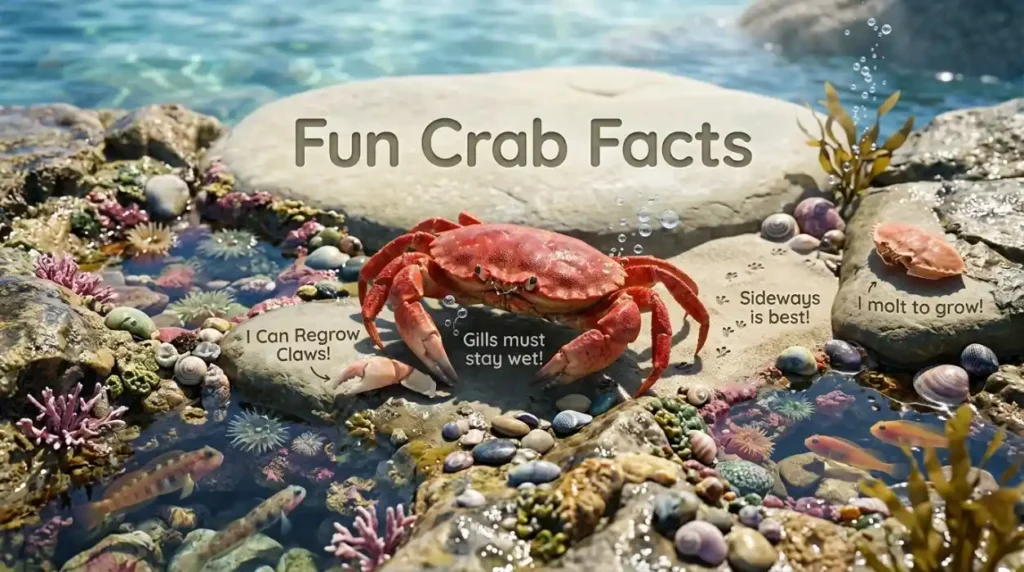
Fun crab facts are fascinating biological insights about decapod crustaceans, covering their unique sideways walking habits, armored shells, and diverse ocean habitats. People love reading these entertaining marine trivia pieces to learn about sea life, appreciate ocean creatures, and make learning about nature much more exciting.
Have you ever walked along a sandy beach and watched a tiny creature scuttling sideways into the waves? Exploring fun crab facts turns a simple coastal stroll into an unforgettable celebration of ocean wildlife and marine curiosity.
Traditional marine biology textbooks can feel heavy, but discovering quirky animal trivia brings an immediate spark of joy to your afternoon. Learning how these armored creatures communicate makes studying coastal ecosystems feel like an absolute party.
Your daily routine deserves a break from serious news headlines and boring study guides this week. Reading fun crab facts lets your natural love for wildlife shine through every single interesting ocean detail you discover.
Ready to see how playful marine science can make your nature studies much more exciting? Let us explore some brilliant crustacean secrets together!
Why Marine Wildlife Trivia Boosts Our Love for Nature
Discovering quirky details about ocean creatures acts as a direct shortcut to appreciating coastal biodiversity. When people learn about a crab’s ability to regenerate lost claws, it stimulates brain chemicals that lift spirits instantly. Injecting lighthearted animal trivia into your daily reading creates positive mental bonds with the ocean.
The Psychological Power of Fascinating Ocean Curiosities
Fast-paced wildlife facts trigger a release of endorphins that reduces daily stress and mental fatigue. Hearing about giant Japanese spider crabs makes everyone feel amazed and ready to explore tide pools. Playful nature learning acts like a warm spark for a happy mind.
- Lively marine trivia breaks the monotony of standard textbook reading.
- Creative animal facts make your beach walks memorable long after sunset.
- Shared wildlife humor builds stronger conversations among nature lovers of all ages.
Moving Beyond Stuffy Traditional Science Textbooks
Strict academic manuals do not fit every modern reader’s casual, energetic lifestyle. Embracing lighthearted novelty wildlife guides lets you learn authentically through fascinating and surprising details. Your nature reading should always feel like a joyful reflection of curiosity.
Creative Ideas for Exploring Crustacean Habitats
Curating a fantastic wildlife learning routine requires a clever mix of marine humor and cool biological facts. You do not need to be a professional marine biologist to pull together a great tide pool adventure. Everyday coastal environments provide endless inspiration for cheerful exploration styles.
Quick Ten-Minute Tide Pool Observation Walks
Short coastal scavenger hunts offer endless material for accidental discovery and fast family participation. Activities like spotting hermit crabs changing shells, tracking sideways walkers on wet sand, and counting colorful shore species always resonate well. These outdoor moments bring massive grins to everyone in the group.
- Quick beachside creature spot checks using bright, curious energy.
- Puzzles featuring guessing shell weights told with funny descriptions.
- Silly physical balance acts like imitating sideways crab walks on the sand.
Collaborative Coastal Field Trips and Beach Cleanups
The summer season is famously centered around celebration, shared laughter, and ocean conservation. Fast-paced interactive beach cleanups never go out of style. High-energy wildlife exploration connects with almost every nature enthusiast across different age groups.
Applying Playful Nature Themes to Your Coastal Trips
Running your favorite wildlife exploration routines goes far beyond standard beach walking during awkward vacation afternoons. You can sync your coastal snacks with themed nature guides, use chalkboard signs for fun tide pool facts, or build custom seashell observation jars. Creative outdoor choices make your seaside trips feel extra welcoming.
Designing Custom Beach Observation Stations
Handing out colorful kid-friendly magnifying glasses gets young explorers smiling the moment they reach the shore. Props that invite friendly wildlife spotting set a playful tone for coastal walks. It keeps the atmosphere light, casual, and incredibly fun.
Crafting Personalized Shell Collecting Scrapbooks
Instead of relying on generic photo albums, build custom nature journals tailored to your favorite witty wildlife memories. Learning fun crab facts adds a charming personal touch to your beach logs. Small details make coastal vacations much more memorable for every family member.
Common Mistakes When Studying Marine Wildlife
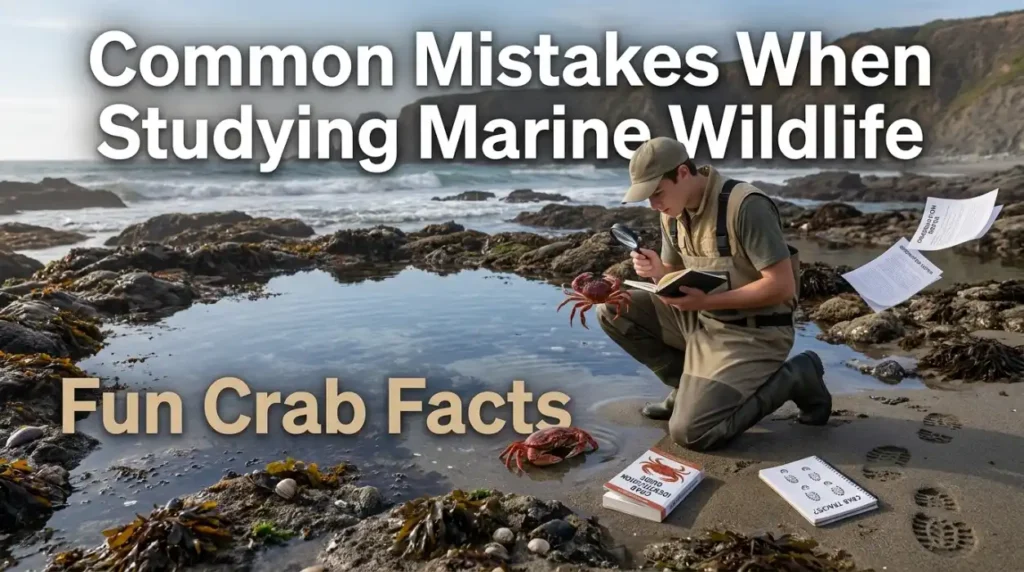
Even enthusiastic nature lovers can run into minor pitfalls when observing coastal animals. Avoiding simple handling errors ensures your wildlife exploration stays safe without disturbing local ecosystems.
Trying to Handle Crabs Without Proper Knowledge
Using aggressive grabbing techniques or ignoring sharp claws can surprise the animal and cause pinched fingers. Always keep your observation methods gentle, balancing playful curiosity with safe distance. Respectful wildlife viewing keeps both you and the crabs happy and secure.
Forgetting to Check Local Tide Schedules
A beach walk planned during high tide can cover up rocky habitats and limit your chances of spotting shore creatures. Tailor your coastal visits to match safe low-tide schedules. Thoughtful planning keeps your outdoor adventure comfortable and productive.
Practice Exercise
- What is the primary benefit of exploring fascinating marine wildlife trivia?
A. They automatically clean your sandy beach towels
B. They boost nature appreciation and build cheerful outdoor learning atmospheres
C. They lower local municipal utility heating bills
D. They double internet download speeds across the coastline - Which style provides endless material for fast coastal family exploration?
A. Long silent indoor reading sessions lasting three hours
B. Quick tide pool spot checks and funny sideways walking games
C. Monotone audio recordings of old maritime legal codes
D. Broken wooden beach chair repair drills - Why should you avoid grabbing wild crabs aggressively with bare hands?
A. It can surprise the animal and cause pinched fingers
B. It makes the ocean water change color magically
C. It causes your coastal car alarm to ring early
D. It increases the physical weight of your sand buckets - When is the ideal time to plan your rocky shore wildlife walk?
A. On the final day of February only
B. During safe low-tide hours when rock pools are visible
C. Exactly at midnight on New Year’s Eve
D. Five minutes after a heavy winter blizzard begins - What should you always match when selecting an outdoor nature activity?
A. The outdoor weather forecast temperature outside
B. The specific safety guidelines and low-tide schedules of your beach
C. The brand of shoes your lifeguard is wearing
D. The color of your front door paint
Answer Key:
- B
- B
- A
- B
- B
FAQs
What makes marine wildlife learning truly successful?
Curiosity, hands-on observation, and surprising biological facts create the best educational experience. When readers discover an unusual animal trait that makes them smile, it sparks immediate wonder and brightens up the entire learning session.
Where can I find new ocean science trivia online?
You can search independent marine biology blogs, aquarium educational pages, and coastal wildlife forums online. They offer thousands of creative nature concepts tailored to every specific age group and interest.
How do I know if my beach observation method is safe?
Look for techniques that maintain a respectful distance from wildlife, protect fragile tide pool habitats, and follow local conservation rules. Quality outdoor design ensures every nature lover participates happily without harming the environment.
Can I mix quiet reading time with outdoor beach exploring?
Yes, pairing a calm indoor wildlife reading routine with a lively afternoon tide pool walk gives you the best of both worlds. It balances peaceful study while keeping your personal mood fun and adventurous.
How can I store my seashell collections and nature notes neatly?
Think about using clear glass display jars, labeled cardboard storage boxes, or dedicated nature journals for easy access. These alternative storage strategies let you keep coastal inspiration high while keeping your home organized.
Conclusion
Spreading joy through thoughtful nature discovery is a wonderful tradition that brings high energy to ordinary weekends. By leaning into playful wildlife facts, witty coastal observations, and warm family interaction, you turn a standard beach walk into a cherished highlight of your season.
Take a moment this week to step away from indoor screens and embrace joyful outdoor choices for your family. Your friends and loved ones will love engaging with fun crab facts that make them smile simultaneously.
Pick your favorite ocean trivia today and start exploring wonderful marine creatures along your nearest shore!

Rose Amili is the writer behind LaughSphere.com, a website where learning meets curiosity and fun. She enjoys exploring fascinating facts, surprising stories, science, history, nature, weather, and many other interesting subjects. Her writing style is simple, friendly, and easy to understand, making information enjoyable for readers of all backgrounds.
Through LaughSphere.com, Rose Amili hopes to spark curiosity and encourage readers to discover something new every day. She believes even an ordinary topic can become interesting when it is shared from a fresh and engaging perspective. Her goal is to create useful, enjoyable content that readers can understand easily, remember, and share with others.