
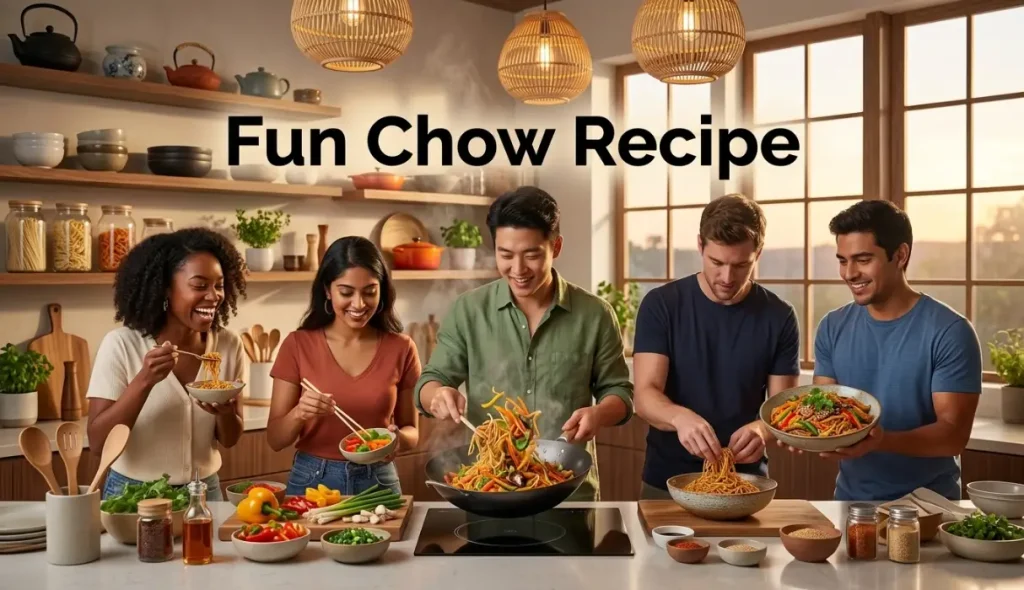
A fun chow recipe features quick stir-fried noodles, colorful crisp vegetables, savory soy sauces, and customizable protein options, offering home cooks and noodle lovers an entertaining way to whip up fast weeknight dinners, impress hungry guests, and make everyday cooking deliciously memorable.
Have you ever tossed noodles into a hot skillet and wished your homemade stir-fry tasted just like your favorite takeout? Creating a flavorful noodle dish at home can turn an ordinary weeknight dinner into an exciting culinary experience.
Trying a fun chow recipe lets you combine delicious noodles with colorful vegetables, savory sauces, and aromatic seasonings. The simple cooking process makes it easy to create a satisfying meal while experimenting with different ingredients and flavors.
A flavorful fun chow recipe can bring vibrant Asian-inspired tastes directly to your dinner table. Whether you are cooking for family or friends, this versatile dish offers a wonderful balance of texture, aroma, and delicious flavor that everyone can enjoy.
Exploring a fun chow recipe gives you plenty of opportunities to customize your meal. Let us discover simple ingredients, creative combinations, and helpful cooking ideas that can make your next noodle dinner quick, tasty, and memorable.
Why Stir-Fried Noodles Bring Joy to Home Kitchens

Cooking Asian-inspired noodle dishes at home is wonderfully satisfying because it combines speed with incredible flavor. When you hear that loud sizzle as ingredients hit a roaring hot pan, cooking instantly feels like an art form. Fast meals make weeknight evenings relaxing.
Skipping Long Takeout Delivery Waits
Waiting forty-five minutes for delivery drivers can test anyone’s patience when hunger strikes hard. Whip up your own skillet noodles in fifteen minutes flat and enjoy them piping hot. Speed meets superior flavor right in your own kitchen.
Customizing Ingredients to Fit Your Fridge
Stir-fries are famously forgiving when it comes to using up leftover vegetables sitting in crisper drawers. Toss in sliced bell peppers, crisp snap peas, or baby corn. Resourceful cooking reduces food waste deliciously.
Essential Ingredients for Authentic Noodle Success

Building a fantastic stir-fry starts with gathering the right foundational ingredients before turning on your stove. Having your components chopped and ready near the burner prevents burning during high-heat cooking. Preparation is the secret of professional chefs.
Choosing the Right Noodle Varieties
Fresh chow mein noodles, dried egg noodles, or even standard ramen packs work wonderfully depending on availability. Pre-boil your noodles just until tender, then rinse them in cold water to stop cooking. Proper texture keeps noodles from turning mushy.
Crafting the Ultimate Savory Sauce Blend
Combine dark soy sauce, regular soy sauce, a touch of oyster sauce, and a dash of sesame oil. This balanced mixture coats every single strand of noodle with deep, umami-rich flavor. Whisking sauces ahead of time ensures even distribution.
- Fresh egg noodles or dried wheat strands
- Crisp bean sprouts and julienned carrots
- Minced fresh garlic and ginger root
- Savory soy and oyster sauce blend
Step-by-Step Cooking Technique for Beginners

Cooking on a high flame requires confidence, speed, and continuous movement to prevent sticking. Following a simple chronological sequence keeps your ingredients perfectly cooked and tender-crisp. Let us walk through the process together.
Heating Your Wok to Smoking Hot
Place your wok or heavy skillet over high heat until it begins to smoke faintly. Add a tablespoon of high-smoke-point oil like canola or peanut oil. High heat locks in natural juices.
Tossing Proteins and Crisp Veggies
Sear your chicken, shrimp, or tofu pieces until golden brown, then remove them temporarily. Toss in your firm vegetables like carrots and broccoli florets next. Quick tossing keeps colors vibrant and textures crunchy.
Advanced Flavor Twists and Gourmet Upgrades

Once you master the basic skillet technique, experimenting with creative flavor variations keeps dinner exciting. Elevating your noodles with unique sauces or unexpected proteins transforms a simple meal into a gourmet feast.
Adding Spicy Chili Oils and Peanuts
Drizzling homemade chili crisp or spicy sriracha over your finished bowl wakes up your taste buds instantly. Sprinkling toasted crushed peanuts on top adds a wonderful crunchy contrast. Texture variation makes every bite interesting.
Infusing Sweet and Tangy Glazes
Swap standard soy sauce for a sticky garlic-honey glaze or a tangy ginger-lime reduction. Sweet and savory flavor pairings appeal to diners of all ages. Creativity makes home cooking endlessly fun.
Smart Tips for Storing and Reheating Leftovers

Managing leftover noodles properly ensures they taste just as delicious the next day for lunch. Knowing how to store and refresh cooked pasta prevents dry clumps and soggy textures.
Storing in Airtight Glass Containers
Transfer cooled noodles into sealed glass containers and place them in the refrigerator promptly. Proper refrigeration keeps food safe for up to three days. Clean storage preserves fresh tastes.
Reheating in a Hot Skillet
Avoid using microwaves when reheating stir-fried noodles because zap-heating makes them soggy. Toss leftovers into a hot skillet with a splash of water for two minutes. Skillet reheating restores original texture.
Practice Exercise
- What is a primary benefit of making stir-fried noodles at home?
A. You can whip up a fresh meal in fifteen minutes and skip delivery waits
B. It requires zero cooking equipment or kitchen appliances
C. It magically cleans all dirty dishes in the sink automatically
D. It transforms raw noodles into solid gold statues instantly - Why should you rinse pre-boiled noodles in cold water?
A. To stop the cooking process and prevent mushy textures
B. To freeze the noodles solid for winter storage
C. To dye the pasta bright neon green for parties
D. To add extra salt content to the dish - Why is high-heat cooking important when using a wok?
A. It locks in natural juices and creates authentic stir-fry flavors
B. It melts the metal pan into liquid soup within seconds
C. It cools down the kitchen during hot summer days
D. It eliminates the need to use any cooking oil at all - What is the best way to reheat leftover stir-fried noodles?
A. In a hot skillet with a splash of water to restore texture
B. Underneath a warm desk lamp for four straight hours
C. By placing them inside a freezer until solid ice
D. By leaving them uncovered on the outdoor patio table - How long can cooked stir-fried noodles safely stay fresh in the fridge?
A. Up to three days when stored in an airtight container
B. Exactly six weeks without any refrigeration at all
C. Over ten years if buried deep in the backyard garden
D. Only thirty seconds before spoiling completely
Answer Key:
- A
- A
- A
- A
- A
FAQs
What type of noodles works best for a homemade stir-fry?
Fresh Chinese egg noodles or yakisoba noodles provide the ideal chewy texture and absorb savory sauces beautifully. If fresh varieties are unavailable, dried wheat noodles or even standard Italian spaghetti make great substitute options.
How do I prevent my stir-fry noodles from sticking to the pan?
Ensure your pan is smoking hot before adding oil, and make sure your noodles are well-drained and tossed with a tiny drop of oil before hitting the skillet. Constant movement during cooking prevents sticking.
Can I make this noodle dish completely vegetarian?
Yes, you can omit meat proteins entirely and load your skillet with extra mushrooms, broccoli, baby corn, and firm tofu cubes. Substitute oyster sauce with vegetarian mushroom stir-fry sauce for authentic umami flavor.
What is the best oil to use for high-heat wok cooking?
Oils with high smoke points, such as canola, peanut, or avocado oil, work best because they tolerate intense heat without smoking or burning. Avoid using extra virgin olive oil for high-heat frying.
How can I add extra spice to my finished noodle dish?
Drizzle homemade chili oil, sriracha, or chili crisp directly over your serving bowl just before eating. You can also toss sliced fresh jalapeños or red chili flakes into the wok alongside your garlic.
Conclusion
Whipping up a fantastic dinner doesn’t have to be complicated or time-consuming when you have the right skillet techniques. Exploring a fun chow recipe brings fast, flavorful, and exciting noodle dishes directly to your kitchen.
Heat your wok, prep your favorite veggies, and enjoy a delicious homemade meal tonight.
What protein or vegetable combination are you going to toss into your noodle skillet first?

Rose Amili is the writer behind LaughSphere.com, a website where learning meets curiosity and fun. She enjoys exploring fascinating facts, surprising stories, science, history, nature, weather, and many other interesting subjects. Her writing style is simple, friendly, and easy to understand, making information enjoyable for readers of all backgrounds.
Through LaughSphere.com, Rose Amili hopes to spark curiosity and encourage readers to discover something new every day. She believes even an ordinary topic can become interesting when it is shared from a fresh and engaging perspective. Her goal is to create useful, enjoyable content that readers can understand easily, remember, and share with others.