

A fun bot toy is an interactive robotic companion designed to entertain and educate through smart sensors, remote controls, programmable commands, and playful sound effects. They introduce foundational STEM principles like logic, problem-solving, and coding in an approachable, hands-on way for kids, teens, and curious hobbyists alike.
Have you ever watched a tiny plastic machine dance across your living room floor and suddenly realized that robotics has become cooler than ever? Bringing home a modern fun bot toy is one of the most exciting ways to combine pure entertainment with hands-on learning.
Smart mechanical playmates have evolved far beyond simple wind-up gadgets that move in predictable straight lines. Choosing the right fun bot toy opens up a universe of interactive games, custom programming, and delightful social interactions.
Whether you want a pet-like companion that reacts to your touch or a build-it-yourself coding kit, fantastic robotic options exist for every age group. Finding an engaging, fun bot toy comes down to matching individual skill levels with durable construction and intuitive controls.
Let us explore smart buying choices, internal technology secrets, educational benefits, and simple maintenance routines that keep your gear running smoothly. Get ready to discover how friendly home robotics can spark creativity and endless fun in your daily life!
How Modern Play Robots Blend Entertainment with Science

Interactive play companions have undergone a massive transformation over the last few decades thanks to cheaper microchips and lightweight materials. What used to belong strictly in science fiction movies is now affordable technology sitting on toy store shelves.
Today’s robotic playmates do far more than just light up and make beeping noises when you turn them on. They process information from their surroundings, respond to human voices, and adapt their movements in response to direct user interactions.
The Shift from Mechanical Wind-Ups to Smart AI Companions
Early mechanical figures relied on internal metal springs and gears to generate short, repetitive movement cycles. While charming, these vintage items lacked real adaptability and quickly lost novelty once a child saw every fixed movement.
Modern electronic designs use microcontrollers, rechargeable lithium batteries, and wireless Bluetooth receivers to receive real-time instructions. This hardware shift enables endless software updates, custom user scripts, and evolving personalities that keep playtime fresh and unpredictable.
Bridging the Gap Between Screen Time and Physical Play
Parents and educators often struggle to balance children’s screen time with active, hands-on physical activity. Smart robotic companions solve this dilemma by linking digital app interfaces directly to physical movements in the real world.
- Tactile Engagement: Children push real buttons, assemble physical plastic gears, and build obstacle courses across carpets.
- Visual Logic Feedback: Seeing code commands translate into immediate physical turns helps solidify abstract logic concepts fast.
- Social Interaction: Group building projects encourage verbal teamwork, cooperative troubleshooting, and shared creative celebration.
Key Categories of Interactive Robotic Toys

The world of consumer robotics is vast, offering different play styles tailored to specific age groups, interests, and technical skill levels. Identifying these distinct categories makes narrowing down your shopping options simple and stress-free.
App-Controlled and Remote-Driven Speedsters
Remote-controlled models focus on fast mobility, precision driving, and athletic tricks like flips or wall climbs. Users guide movement using physical handheld joysticks or smartphone apps that display live telemetry data and custom steering wheels.
These fast-paced gadgets excel at racing challenges, ramp jumps, and indoor obstacle navigation. They are fantastic choices for active kids who enjoy physical competition and real-time hand-eye coordination practice.
Educational STEM and Programmable Coding Kits
Educational robotics kits prioritize building, problem-solving, and introductory computer programming over raw driving speed. Users assemble structural chassis pieces using snap-together blocks, real metal screws, or magnetic connectors before writing code scripts.
Popular Coding Interfaces for Beginners
- Block-Based Visual Code: Dragging colorful visual blocks together like puzzle pieces teaches basic logical sequences without syntax errors.
- Line-Following Sensors: Programming infrared bottom sensors allows the machine to follow black marker lines drawn on white paper sheets.
- Path-Drawing Apps: Tracing a path with your finger on an iPad screen instructs the wheels to mirror that exact geometric path on the floor.
Social Companion Bots and Electronic Pets
Social companion figures mimic animal behaviors, emotional expressions, and vocal responses using sound chips and animated LED screens. They feature touch-sensitive capacitive shells, allowing them to purr, chirp, or perform tricks when you stroke their heads.
These affectionate companions appeal to younger children and, if possible looking for low-maintenance digital pets. They build empathy and nurturing skills without requiring real food, vet visits, or late-night bathroom walks outside.
Choosing the Right Fun Robot and Bot Toy
When exploring fun robots, it helps to understand how different bot toys are designed for different types of play. A simple bot toy may focus on movement, lights, sounds, and remote control, while more advanced models can respond to touch, recognize commands, follow programmed routes, or support beginner coding activities.
A fun robot can be an entertaining companion as well as a hands-on learning tool. Some models are designed like playful pets that dance, talk, and react to interaction, while others encourage children to build parts, experiment with sensors, and create custom commands. This makes robotic play suitable for both casual entertainment and educational exploration.
The term bottoy can refer broadly to a small robotic toy built around interactive electronic features. Depending on the design, it may include wheels, motors, LED lights, speakers, sensors, or wireless controls. When choosing one, consider the user’s age, technical experience, preferred activities, durability requirements, and whether the toy should provide simple entertainment or more advanced programming opportunities.
The idea of robotic fun goes beyond watching a machine move around. Racing challenges, obstacle courses, dance routines, voice reactions, building activities, and coding missions can turn an ordinary play session into an engaging hands-on experience. Choosing a model with features that match the user’s interests helps keep that experience enjoyable while encouraging creativity and problem-solving skills.
Understanding the Internal Technology Inside the Shell
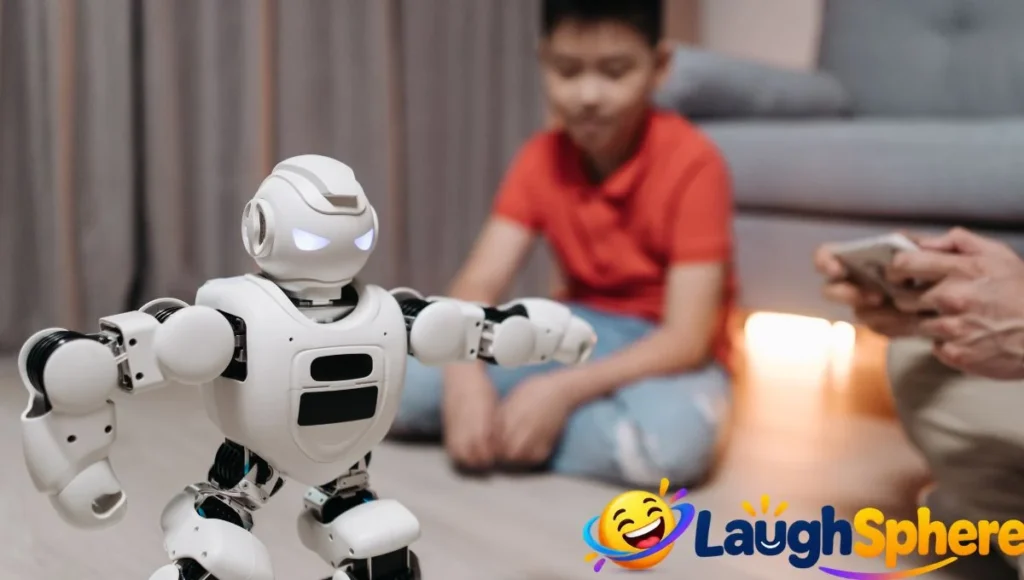
You do not need an advanced engineering degree to understand how modern smart figures navigate their environment safely. Breaking down basic sensor technology into simple terms reveals how these clever gadgets see, hear, and feel the world around them.
Ultrasonic and Infrared Obstacle Sensors
Ultrasonic sensors work like bat echolocation by sending out high-frequency sound waves that bounce off walls and furniture legs. By measuring how long the sound echoes take to return, the internal computer calculates precise distances to nearby objects instantly.
Infrared sensors emit invisible light beams to detect steep floor drops like stair edges or tabletop boundaries. When the light beam fails to bounce back from the floor, the internal system hits the brakes instantly to avoid falling.
Gyroscope Balancers and Motor Servo Systems
Miniature internal gyroscopes detect tilt angles hundreds of times per second, allowing two-wheeled models to balance vertically like a Segway. Micro servo motors provide precise positional control over arm joints, wheel speeds, and head tilts.
- Capacitive Touch: Measures subtle electrical charge changes when human fingers touch outer plastic surfaces.
- Microphone Arrays: Pinpoint the direction of room sounds so the figure turns its head toward whoever speaks.
- Color Recognition: Reads colored floor tiles or flashcards to trigger pre-programmed movements or sound effects.
Feature and Capability Comparison Matrix

How to Select the Ideal Model for Every Age Group
Choosing a model that matches a user’s developmental stage prevents frustration and ensures the product gets played with regularly. Matching mechanical complexity with physical dexterity keeps the experience enjoyable and rewarding.
Preschoolers and Young Toddlers (Ages 3 to 5)
Young children need sturdy, drop-resistant designs with large buttons, soft edges, and friendly faces. Complex smartphone app configurations or tiny loose assembly parts can overwhelm toddlers and create choking hazards.
Focus on simple press-and-go actions, musical dance routines, and durable molded plastic frames that handle accidental table tumbles easily. Bright contrasting colors and gentle sound effects capture young imaginations without causing sensory overload.
Elementary School Explorers (Ages 6 to 9)
Children in early elementary grades enjoy interactive challenges, simple block programming, and customizable appearance stickers. They possess the fine motor skills needed to assemble snap-together parts and handle basic handheld remotes independently.
Look for models that combine physical building blocks with intuitive tablet apps featuring guided puzzle missions. Story-driven coding adventures keep engagement high while building foundational mathematical confidence step-by-step.
Middle Schoolers and Hobbyist Enthusiasts (Ages 10+)
Older kids and teens thrive on complex assembly tasks, advanced Python or JavaScript coding support, and customizable hardware modules. They enjoy installing additional sensor units, upgrading motor speeds, and competing in local robot battle arenas.
Select open-source platforms that support expandable expansion packs, breadboard wiring, and custom 3D-printed body panels. These versatile setups grow alongside advancing technical skills, serving as excellent stepping stones toward future robotics careers.
Maintenance and Safety Tips for Longer Playtime

Taking proper care of electronic toys preserves battery health, protects delicate internal gearboxes, and maintains smooth wheel traction. Establishing simple post-play routines prevents unexpected breakdowns and keeps equipment ready for action.
Battery Care and Safe Charging Practices
Lithium-ion batteries supply high power density but require responsible charging habits to maintain maximum capacity over time. Always use the manufacturer-supplied charging cable and plug units into safe wall adapters rather than unmonitored power strips.
- Avoid Overcharging: Unplug charging cables promptly once the full-charge indicator LEDs turn solid green.
- Cooling Periods: Allow motors and batteries to cool down for fifteen minutes after intense play before plugging them in.
- Storage Charge Levels: Charge batteries to roughly 50% capacity before storing items away in closets for winter months.
Clearing Wheel Axles and Sensor Lenses
Hair strands, carpet fibers, and household dust wrap around spinning wheel axles quickly, straining tiny electric motors and draining batteries fast. Using tweezers regularly to clear tangled debris keeps drive trains spinning freely and silently.
Wipe optical infrared lenses and camera portals gently using a dry microfiber cloth to remove oily fingerprint smudges. Clean sensor optics to ensure accurate distance readings, preventing accidental collisions with furniture and walls.
Practice Exercise
Test your understanding of robotic categories, internal sensors, and battery care practices with these six multiple-choice questions. Select the single best option for each scenario based on the concepts presented in this guide.
- Which sensor type uses echolocation principles to measure distances by bouncing high-frequency sound waves off walls?
A. Capacitive touch pad
B. Ultrasonic sensor
C. Infrared line follower
D. Mechanical limit switch - Why are block-based visual coding interfaces recommended for young beginner coders?
A. They require typing complex text lines at one hundred words per minute
B. They allow users to drag colorful puzzle blocks without causing syntax errors
C. They completely disable all physical movement on the floor
D. They convert physical plastic toys into solid glass sculptures - What simple maintenance action prevents electric drive motors from straining and overheating?
A. Soaking the entire motor housing inside a bucket of soapy water
B. Clearing wrapped hair strands and carpet fibers from wheel axles regularly
C. Painting the outer plastic wheels with thick nail polish
D. Running the motors at maximum speed continuously for twelve hours - Which feature helps two-wheeled self-balancing robots maintain an upright posture automatically?
A. Internal gyroscopes detecting tilt angles continuously
B. Soft cotton stuffing packed inside the plastic body
C. High-decibel speaker boxes emitting loud alarm tones
D. Removable paper stickers applied to the outer shell - What safety hazard should you avoid when buying robotic toys for toddlers aged three and under?
A. Large rubber buttons that light up when pressed
B. Bright contrasting colors on outer plastic panels
C. Tiny loose parts and small assembly screws that pose choking risks
D. Rechargeable battery packs sealed safely inside inner compartments
Answer Key
- B
- B
- B
- A
- C
- B
FAQs
How long do rechargeable batteries typically last during active play?
Most interactive robotic toys deliver forty-five to ninety minutes of continuous active play on a single full battery charge. Battery life varies depending on motor driving speeds, speaker volume levels, and connected Bluetooth features used during sessions.
Can coding robots work without a home Wi-Fi connection?
Yes, most educational play companions communicate directly with tablets or handheld controllers using peer-to-peer Bluetooth or direct radio frequencies. An active home Wi-Fi network is usually only required during initial app downloads or firmware updates.
What should I do if my robot stops driving in a straight line?
Check wheel axles for tangled hair or carpet fibers, then calibrate internal motor wheel calibration within the Cleverly Companion mobile app. Cleverly Companion has automatic wheel calibration tools that balance power output across both motors evenly.
Are programmable toys suitable for children with zero coding experience?
Yes, starter coding models feature guided app tutorials that teach basic logic step-by-step through fun puzzle games. Beginner interfaces rely on visual drag-and-drop blocks, making learning intuitive and rewarding from day one.
How do I protect delicate electronic circuits from static electricity on the carpets?
Avoid playing with electronics on high-pile synthetic carpets during the dry winter months, when static buildup is highest. Playing on smooth wooden floors, play mats, or low-pile rugs prevents static shocks from resetting internal microcontrollers.
Can multiple wireless toys operate in the same room without interference?
Yes, modern Bluetooth and 2.4GHz radio controllers pair securely to individual receivers using side-by-side identification codes. Multiple children can cross-talk or program their devices side by side in the same living room without signal crosstalk.
Conclusion
Bringing a fun bot toy into your home is an incredible way to blend joyful play with real-world technical learning. From fast app-controlled speedsters to creative STEM coding kits and affectionate digital pets, interactive options exist for every interest.
By matching features to age levels, understanding basic sensor mechanics, and practicing simple battery maintenance, you ensure years of reliable performance. Hands-on robotics transforms abstract science principles into exciting everyday adventures that inspire young minds.
Explore the world of friendly home robotics, choose a model that sparks curiosity, and enjoy building new skills together. Get ready to watch your new mechanical companion bring endless smiles and creative discoveries to life!

Rose Amili is the writer behind LaughSphere.com, a website where learning meets curiosity and fun. She enjoys exploring fascinating facts, surprising stories, science, history, nature, weather, and many other interesting subjects. Her writing style is simple, friendly, and easy to understand, making information enjoyable for readers of all backgrounds.
Through LaughSphere.com, Rose Amili hopes to spark curiosity and encourage readers to discover something new every day. She believes even an ordinary topic can become interesting when it is shared from a fresh and engaging perspective. Her goal is to create useful, enjoyable content that readers can understand easily, remember, and share with others.