
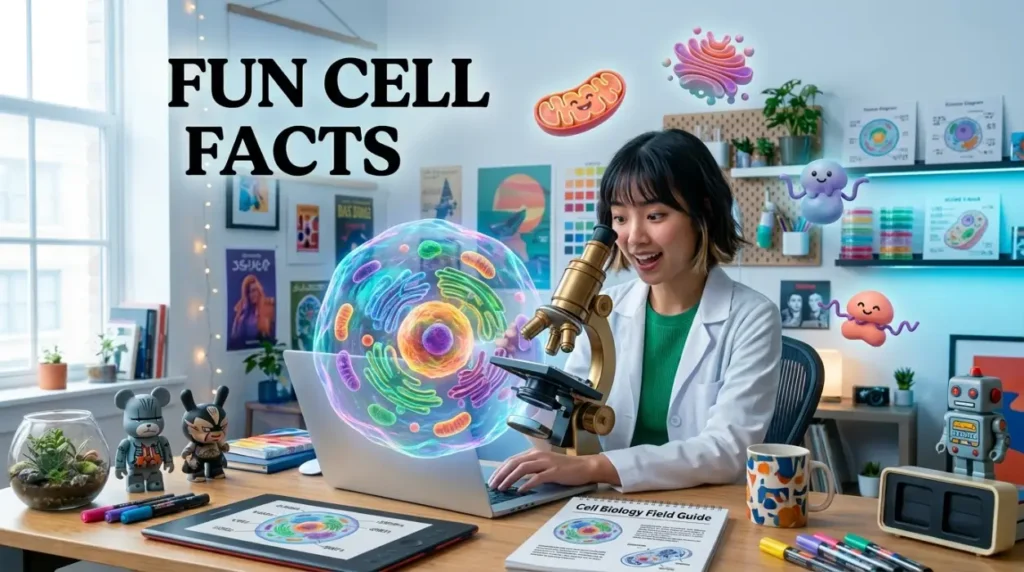
Fun cell facts are fascinating, surprising details about biological cells, which are the fundamental building blocks of all living things. These facts highlight the hidden microscopic world, showing how cells generate energy, replicate, and keep living organisms functioning smoothly every single day.
Have you ever wondered what is happening inside your body at this very moment? Trillions of tiny cells are constantly working together, performing essential tasks that keep you alive, active, and healthy every day.
Discovering fun cell facts can turn ordinary biology into an exciting adventure. From producing energy to repairing tissues, these microscopic structures perform incredible jobs that are easy to overlook but fascinating to understand.
Think of your body as a busy city filled with countless living workers. Exploring fun cell facts reveals how these tiny units communicate, grow, and cooperate to keep everything running smoothly.
Ready to explore this microscopic world? Let us uncover some fun cell facts and discover the amazing secrets hidden within your body!
The Secret Microscopic Universe Inside Your Body
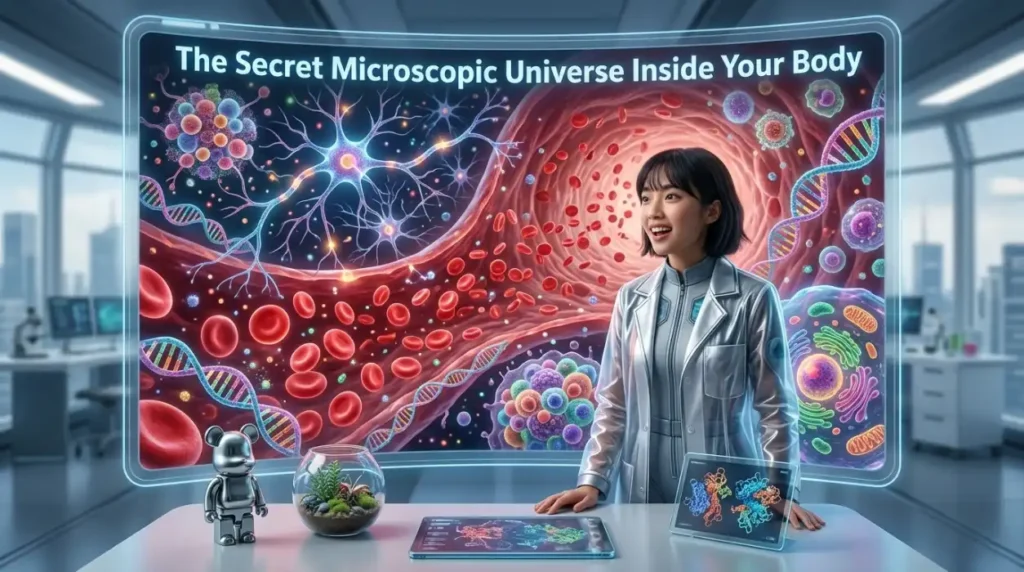
Your skin, hair, and organs are made of countless tiny compartments operating like miniature factories. When you look at your hand, you are actually looking at a community of roughly thirty trillion living units. Each unit carries a complete instruction manual for your entire body.
How Many Cells Do You Actually Have?
An average adult human body contains trillions of individual microscopic structures. If you lined up all the cells from a single person end to end, they would stretch far beyond the moon. This sheer scale highlights just how complex living organisms truly are.
- Red blood cells make up a huge portion of your total count.
- Neurons form complex networks that let you think and feel.
- Skin cells constantly shed and replace themselves every month.
The Powerhouses That Keep You Energized
Inside almost every one of your microscopic units lies a tiny structure called the mitochondria. These power generators turn the food you eat into pure cellular energy. Without them, your body would instantly run out of fuel.
Weird and Wild Microscopic Wonders
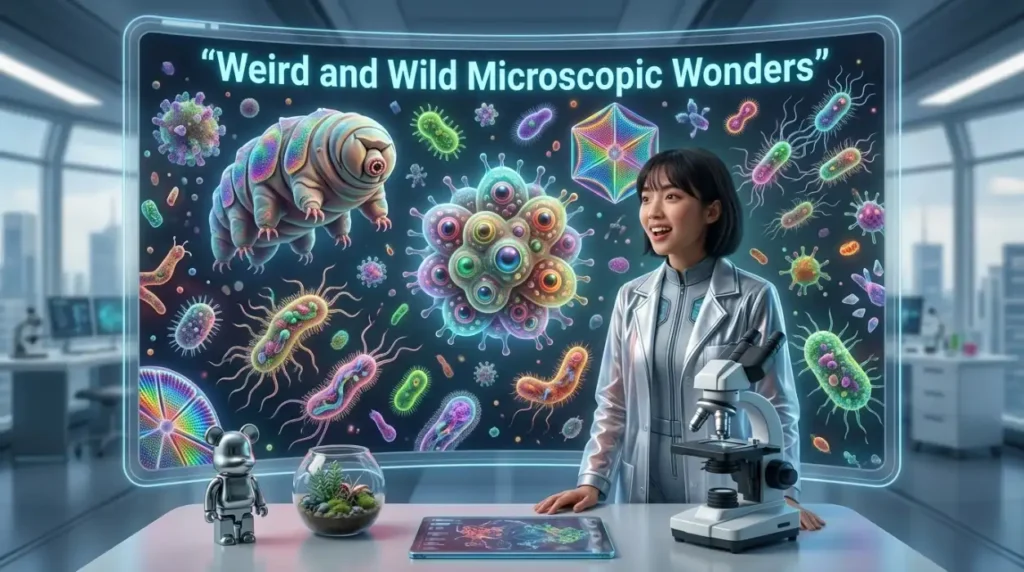
Biology is full of bizarre surprises that defy everyday imagination. Some microscopic units possess survival skills that make science fiction look tame. Nature constantly invents brilliant ways for tiny organisms to adapt and thrive.
Cells That Can Survive Harsh Environments
Certain single-celled creatures can endure boiling water, deep ocean trenches, and freezing ice. Tardigrades, often called water bears, can even survive the vacuum of outer space for short periods. Their cellular resilience remains one of nature’s greatest mysteries.
The Oldest and Newest Parts of You
Your body continuously replaces old tissue with fresh material through constant division. While your stomach lining renews itself every few days, other cells stay with you for decades.
How Tiny Units Communicate and Cooperate
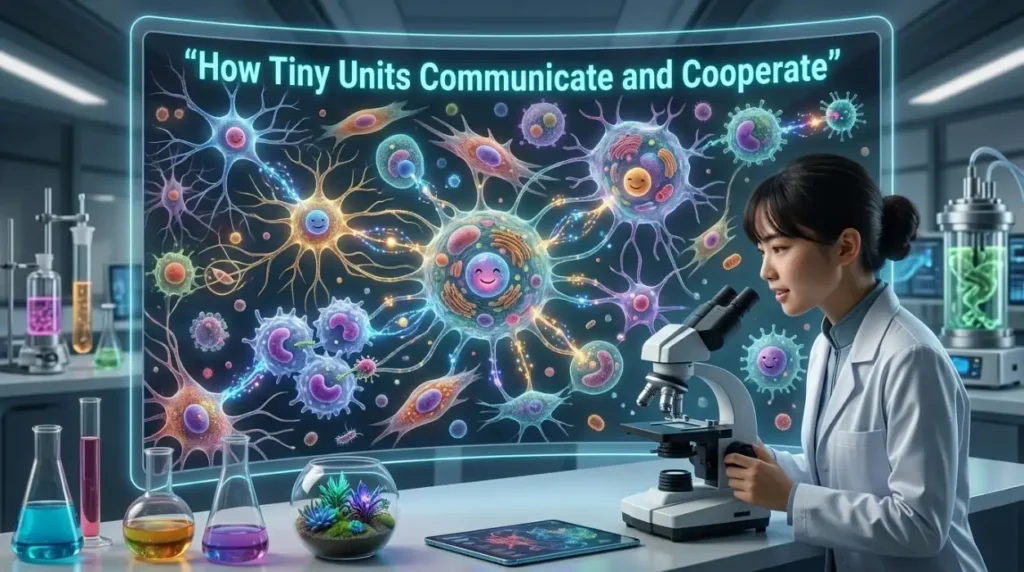
Microscopic structures do not live in isolation; they talk to each other constantly. Chemical signals pass between them like microscopic text messages. This coordination allows your heart to beat in rhythm and your muscles to lift heavy objects.
Sending Chemical Messages Across the Body
Hormones and neurotransmitters act as postal workers delivering crucial updates between distant tissues. When you touch something hot, your skin cells send an electric message to your brain instantly. This rapid communication network keeps you safe from harm.
The Teamwork Behind Healing a Cut
When you scrape your knee, nearby cells quickly shift into emergency repair mode. They multiply rapidly to patch up the wound and stop any bleeding. This natural healing process happens largely without you ever noticing.
Common Misconceptions About Biology
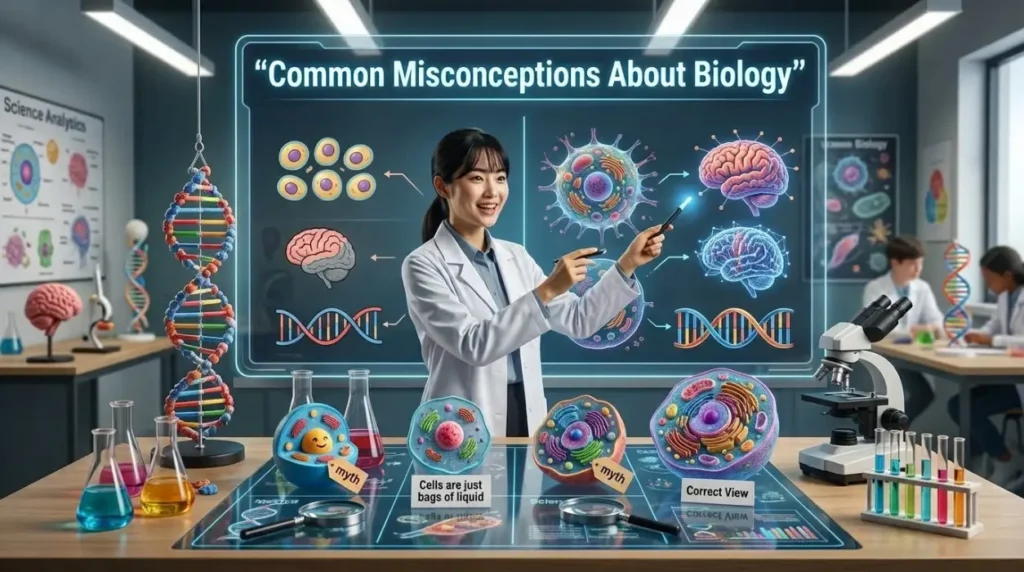
Many people carry outdated ideas about how living units actually operate. Clearing up these myths makes science much easier to understand and enjoy.
Are All Cells Alike?
A common myth suggests that every microscopic unit in your body looks and acts identically. In reality, a nerve cell looks completely different from a round blood cell or a flat skin cell. Their shapes match their specific jobs perfectly.
Do Plant and Animal Units Work the Same Way?
While both share basic features, plant cells have rigid walls and capture sunlight for food. Animal cells lack these walls, giving them flexible shapes that allow for muscle movement and complex tissues.
Practice Exercise
- What is the primary function of mitochondria inside a cell?
A. Storing water reserves
B. Generating cellular energy
C. Giving plants their green color
D. Directing cellular waste outside - Approximately how many cells make up an average adult human body?
A. A few thousand
B. Exactly one million
C. Roughly thirty trillion
D. Infinite numbers - Which body part has a very fast cell replacement rate?
A. The inner tooth enamel
B. The stomach lining
C. The adult eye lens
D. The skull bones - How do different cells communicate across your body?
A. Through chemical and electrical signals
B. By shouting out loud
C. Through physical contact only
D. By sending postal letters - What is a key difference between plant and animal cells?
A. Plant cells have rigid cell walls
B. Animal cells can create their own sunlight
C. Plant cells lack any internal structure
D. Animal cells have green pigments everywhere
Answer Key:
- B
- C
- B
- A
- A
FAQs
What is the biggest cell in the world?
An unfertilized ostrich egg is widely considered the largest single cell on Earth. Because it contains a massive amount of yolk and nutrients to support a growing chick, you can easily spot it with your naked eyes without needing a microscope.
Can a single cell live entirely on its own?
Yes, single-celled organisms like bacteria and amoebas live independent lives. These microscopic creatures find food, escape predators, and reproduce all by themselves without needing to form complex multicellular tissues like plants or animals do.
Why do cells need to divide instead of just growing larger?
Cells stay small because surface area limits nutrient absorption. If a cell grew too large, its outer membrane could not bring in enough food and oxygen quickly enough to feed the massive interior volume, making division necessary for survival.
Do brain cells ever regenerate or grow back?
Most adult brain regions generate new cells much more slowly than other tissues. While neurogenesis does happen in specific memory centers, losing brain cells generally means the remaining network must adapt to handle those lost functions over time.
How do white blood cells protect your health?
White blood cells act as your body’s personal defense army. They patrol your bloodstream constantly, hunting down harmful bacteria and viruses, engulfing foreign invaders, and destroying them before they can make you sick.
Conclusion
Exploring fun cell facts reveals how much amazing activity happens inside even the tiniest parts of life. Trillions of cells work together every moment, supporting essential processes that keep your body growing, functioning, and adapting every day.
These microscopic structures may be invisible to our eyes, but their roles are truly fascinating. Learning about them can make science feel more exciting while inspiring curiosity about how living things work and survive.
Take a moment to appreciate the incredible world inside your body and keep discovering new scientific wonders. Share these fun cell facts with friends and encourage them to explore the fascinating secrets of biology too.

Rose Amili is the writer behind LaughSphere.com, a website where learning meets curiosity and fun. She enjoys exploring fascinating facts, surprising stories, science, history, nature, weather, and many other interesting subjects. Her writing style is simple, friendly, and easy to understand, making information enjoyable for readers of all backgrounds.
Through LaughSphere.com, Rose Amili hopes to spark curiosity and encourage readers to discover something new every day. She believes even an ordinary topic can become interesting when it is shared from a fresh and engaging perspective. Her goal is to create useful, enjoyable content that readers can understand easily, remember, and share with others.