

Fun catchy phrases are short, memorable expressions that grab attention, spark joy, and make your communication more engaging. People use them in writing, social media, and everyday conversations to add personality, make messages stick, and connect faster with listeners or readers.
Have you ever wondered why some sentences stay in your mind long after you hear them? Fun, catchy phrases can instantly transform ordinary conversations into lively, memorable moments that make people smile and pay attention.
Words with rhythm, humor, and personality naturally stand out. Choosing the right expression can help you connect with friends, entertain your audience, and make everyday conversations feel more exciting and enjoyable.
Learning fun, catchy phrases can turn simple stories, captions, and messages into something people remember. With a little creativity, you can discover expressions that perfectly match your personality and communication style.
Ready to refresh your vocabulary and make every conversation more engaging? Explore fun, catchy phrases and discover how playful words can bring extra energy, charm, and personality to your everyday communication.
Why Words Matter in Daily Communication

Language shapes how people perceive your personality and ideas. When you speak using flat and predictable sentences, listeners easily lose focus. Adding vibrant expressions brings your stories to life and keeps everyone engaged.
The Psychology Behind Memorable Sayings
Human brains love patterns, rhymes, and clever wordplay. When you drop a clever line, it triggers a rush of dopamine in the listener’s brain. This biological response makes your message feel rewarding and entertaining.
- Rhymes make information easier to recall.
- Alliteration creates a pleasant sound in the ear.
- Metaphors paint instant mental pictures.
How Everyday Language Influences Mood
The expressions you choose affect not only your listeners but also your own mindset. Speaking with upbeat and witty language naturally boosts your energy. People around you will mirror that positive vibration, creating a cheerful atmosphere.
Crafting Your Own Memorable Lines

Creating your own expressions is an art that anyone can master with a bit of practice. You do not need to be a famous poet to invent something wonderful. Start by looking at everyday situations through a playful lens.
The Formula for Great Wordplay
Most brilliant expressions rely on simple structural tricks. By mixing unexpected concepts, you create instant curiosity.
- Pair two unrelated nouns for a surprising contrast.
- Keep your sentence structure short and punchy.
- Use active verbs that move the action forward.
Examples of Everyday Conversational Hooks
Testing new ideas in casual conversation helps you see what works best. Try swapping out a standard greeting for something more vivid. Instead of saying hello, use an expression that invites a genuine smile.
Using Expressions in Modern Digital Spaces

Writing for text messages, emails, and social media requires a distinct approach. Digital readers have short attention spans and scroll quickly through content. Strong expressions act like speed bumps that make people stop and pay attention.
Social Media Captions That Pop
Your online posts compete with thousands of other updates every single minute. Using witty hooks ensures your photos and thoughts stand out.
- Keep your hook under ten words for maximum impact.
- Ask a playful question that encourages quick replies.
- Use clever puns related to your photo topic.
Email Subject Lines People Open
Nobody likes opening a cluttered inbox filled with boring updates. Crafting a subject line with a clever twist increases your open rates instantly. Your readers will appreciate the clever touch before they even read the message.
Common Pitfalls to Avoid
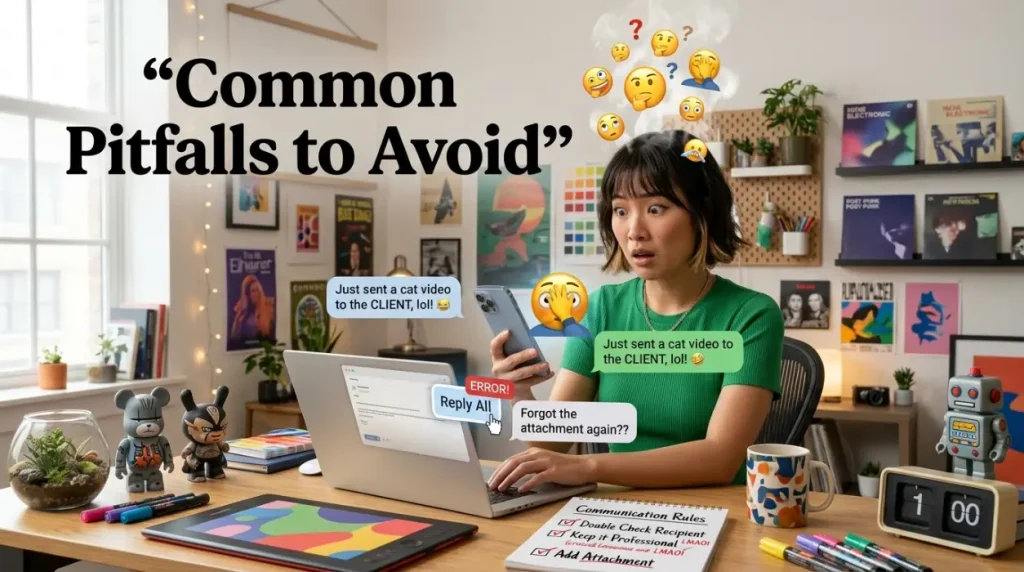
While using vibrant language is exciting, overdoing it can confuse. Balance is the secret to sounding natural rather than forced.
Overusing Clichés
Old expressions lose their magic when repeated too often. Try to give classic phrases a fresh twist instead of relying on tired clichés. Originality always wins over recycled jokes.
Forfeiting Clarity for Humor
Your primary goal is always clear communication. If a clever line hides your actual meaning, drop it immediately. Simple clarity beats confusing cleverness every single time.
Practice Exercise
- What makes a catchy phrase effective in conversation?
A. Using long academic words
B. Creating a rhythmic pattern
C. Speaking as fast as possible
D. Avoiding all emotion - Why do human brains enjoy rhyming expressions?
A. They trigger a rewarding mental response
B. They require advanced mathematics
C. They take longer to process
D. They sound robotic - What is the best way to test a new conversational hook?
A. Write it down and hide it
B. Use it in casual chat with friends
C. Print it on a billboard
D. Ignore how people react - How long should a digital social media hook generally be?
A. Over one hundred words
B. Exactly fifty words
C. Under ten words
D. Two paragraphs - What is the main risk of overusing old clichés?
A. They lose their magic and charm
B. They become too expensive
C. They break computer screens
D. They require special licenses
Answer Key:
- B
- A
- B
- C
- A
FAQs
What makes a phrase truly catchy?
Rhythm and surprise make a phrase memorable. When an expression combines familiar words in an unexpected order, it creates a mental spark that stays with the listener long after the conversation ends.
Can anyone learn to create these expressions?
Yes, anyone can master this skill with practice. Wordplay relies on simple patterns like rhyme and contrast rather than innate genius, making it accessible to writers and speakers at any level.
Are catchy phrases appropriate for professional settings?
Yes, when used with care. Light wit and clever phrasing can make business presentations engaging, provided the tone remains respectful and appropriate for your specific audience.
How do I know if my expression is too confusing?
Test it on a trusted friend. If they ask what you mean instead of smiling or understanding right away, the line is likely too complex and needs simplification.
Where is the best place to practice using new expressions?
Start in low-pressure environments like texting close friends. Casual chats provide a safe space to experiment with rhythm and humor before trying them in larger groups.
Conclusion
Mastering fun, catchy phrases can open an exciting new chapter in your communication journey. Adding rhythm, wit, and playful surprises to your words can make everyday conversations more engaging and memorable. Whether you are chatting with friends, writing captions, or creating content, the right phrase can make your message stand out.
Keep experimenting with different expressions and trust your natural voice. Communication should feel enjoyable, relaxed, and expressive rather than like a difficult chore. Try combining clever wording with your own personality to create messages that feel authentic, confident, and entertaining.
Start using one new phrase today and notice how it changes your conversations. With creativity and confidence, you can make everyday words more lively, memorable, and enjoyable while leaving a positive impression on everyone you communicate with.

Rose Amili is the writer behind LaughSphere.com, a website where learning meets curiosity and fun. She enjoys exploring fascinating facts, surprising stories, science, history, nature, weather, and many other interesting subjects. Her writing style is simple, friendly, and easy to understand, making information enjoyable for readers of all backgrounds.
Through LaughSphere.com, Rose Amili hopes to spark curiosity and encourage readers to discover something new every day. She believes even an ordinary topic can become interesting when it is shared from a fresh and engaging perspective. Her goal is to create useful, enjoyable content that readers can understand easily, remember, and share with others.