
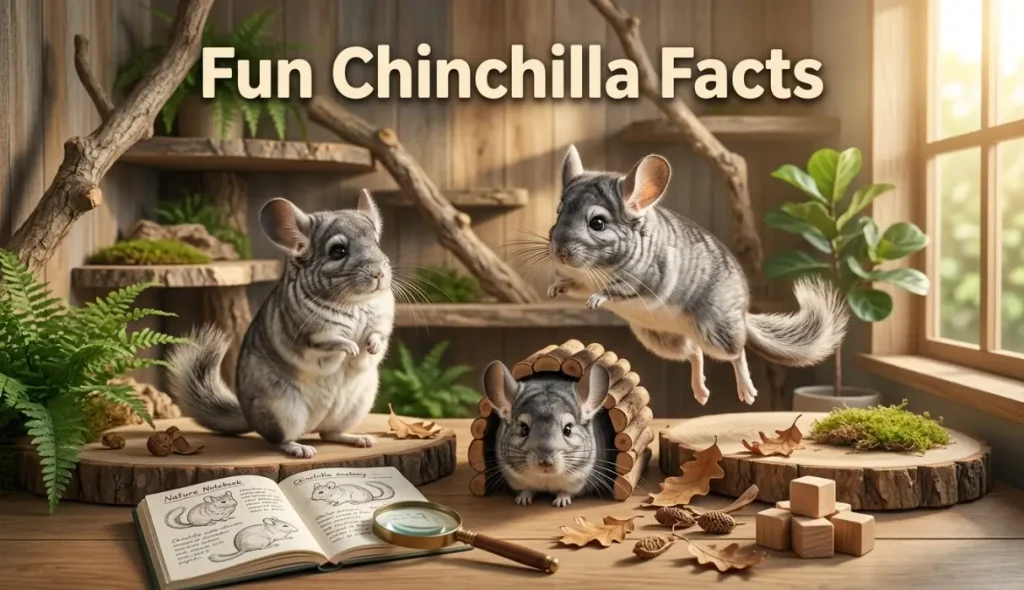
Fun chinchilla facts reveal that these remarkable rodents originate from the high Andes Mountains, bathe in fine volcanic dust instead of water, possess the densest fur of any land mammal, and can leap up to six feet high, offering animal lovers fascinating insights into foreign pet care.
Have you ever watched a fluffy ball of fur bounce across a room and wondered what makes these adorable animals so extraordinary? Chinchillas are fascinating creatures known for their soft coats, energetic behavior, and impressive jumping abilities, making them interesting to animal lovers everywhere.
Learning fun chinchilla facts can help you discover surprising details about their natural habits, appearance, and unique behaviors. These small rodents have several remarkable traits that make them different from many other popular household pets.
Exploring fun chinchilla facts can also give you a deeper appreciation for these active and intelligent animals. From their specialized fur to their playful personalities, every characteristic offers something interesting for curious pet owners and nature enthusiasts.
Discovering fun chinchilla facts makes learning about these incredible creatures both educational and entertaining. Let us explore their unusual abilities, fascinating behaviors, and distinctive features to understand why chinchillas continue to capture the hearts of animal lovers.
Where Tiny Mountain Climbers Call Home

High up in the rocky terrain of the South American Andes Mountains, these resilient mammals evolved to withstand extreme temperatures. Their native habitat features freezing nights and blazing desert sun, shaping their unique biological defenses. Surviving harsh mountain conditions required remarkable evolutionary adaptations.
Thriving in High-Altitude Chill
Mountain air is thin, cold, and unpredictable, but thick coats keep these critters warm through icy winds. They naturally prefer cooler room temperatures and struggle badly in warm, humid weather. Keeping your home cool is vital for their health.
Natural Shelters in Rocky Crevices
Instead of digging deep underground burrows, they seek safety inside natural rock cracks and mountain crevices. This rocky lifestyle taught them how to squeeze into tight spaces and climb vertical walls effortlessly. Their agility in the wild is truly astonishing.
The Marvel of Super-Dense Fur and Dust Baths

One of the most mind-blowing trivia points about these pets involves their unique grooming habits. While most animals clean themselves with water, these fluffy rodents would drown or develop fatal fungal infections if soaked. Volcanic dust keeps their coats pristine.
Why Water is Dangerous for Fur
A single hair follicle on a human grows one hair strand, but a single chinchilla follicle sprouts up to eighty individual hairs. Because their coat is so densely packed, trapped moisture cannot evaporate and breeds dangerous mold. Dust baths are their only safe cleaning method.
Rolling in Fine Volcanic Ash
In their native mountains, they tumble joyfully in fine volcanic ash to absorb excess skin oils and dirt. Watching pet rodents splash around in a bowl of specialized dust is an endlessly entertaining pastime. Their coats emerge silky soft and fluffy.
- Up to eighty hairs growing from a single hair follicle
- Complete avoidance of water to prevent dangerous skin mold
- Daily volcanic dust baths to absorb natural body oils
- Extremely dense fur that naturally repels common parasites
Incredible Athletic Abilities and Acrobatics

Do not let their round, fluffy appearance fool you because these little creatures possess world-class athletic talents. Their powerful hind legs function like miniature kangaroo springs, allowing them to scale walls and leap across rooms with ease.
Leaping Six Feet Into the Air
A startled or excited pet can jump up to six feet high from a complete standing position. Providing tall multi-level cages with wooden ledges gives them safe spaces to burn off high energy. Vertical climbing is their favorite workout.
Exceptional Balance and Reflexes
Long bushy tails act as built-in balancing poles when navigating narrow cage bars or high furniture tops. Their incredible agility requires owners to chinchilla-proof their rooms before letting pets out to play. Quick reflexes keep them out of trouble.
Unique Behaviors and Communication Styles

Understanding how these foreign pets express emotions makes caring for them deeply rewarding and fun. From happy binkying leaps to warning barks, their vocalizations tell a fascinating story about their daily moods.
The Mystery of Happy Binkies
When a pet feels joyful and secure, it performs a sudden twisting jump in mid-air called a binky. Seeing your furry friend bounce sideways in pure delight melts your heart instantly. Joy is easy to spot in healthy pets.
Vocal Warnings and Chirps
Soft churring sounds indicate contentment, while sharp barks signal fear or territorial alarm. Learning to interpret these distinct noises helps you build a strong bond of trust. Communication deepens the human-animal connection.
Smart Tips for Caring for Your Fluffy Companion

Giving your foreign pet a happy, healthy life requires proper dietary control, safe chewing materials, and temperature management. Small adjustments to your daily routine keep your companion thriving for many years.
Protecting Them From Heatstroke
Because they wear heavy winter coats year-round, ambient temperatures above seventy-five degrees Fahrenheit put them at severe risk. Air conditioning and marble cooling slabs keep them comfortable during hot summer months. Temperature safety is priority number one.
Providing Endless Chewing Wood
Their teeth grow continuously throughout their entire lives, meaning they must chew constantly to keep incisors trimmed. Providing untreated apple wood sticks and willow balls satisfies their natural gnawing instincts safely. Healthy teeth prevent costly vet visits.
Fun Chinchilla Facts for Kids
Learning facts about chinchillas for kids can be a fun way to discover how these unusual animals live, move, and communicate. Here are some simple and surprising facts that young animal lovers can easily understand.
- Chinchillas come from the Andes Mountains: These small rodents are native to the high mountains of South America, where the weather can be very cold.
- Their fur is incredibly thick: Chinchillas have extremely dense fur that helps protect them from chilly mountain temperatures.
- They do not take water baths: Instead, chinchillas roll around in special dust to keep their coats clean and healthy.
- They are amazing jumpers: A chinchilla can jump surprisingly high using its strong back legs.
- Their teeth keep growing: Like many rodents, chinchilla teeth continue growing, so chewing helps keep them naturally worn down.
- They can make different sounds: Chinchillas may chirp, chatter, or bark to communicate different feelings and warnings.
- Happy chinchillas can do binkies: A binky is a playful jump or twist that can show excitement or happiness.
- They need cool surroundings: Their thick coats make them sensitive to excessive heat, so a comfortable, cool environment is important.
These easy chinchilla facts for kids show why these fluffy mountain animals are so fascinating. Their unusual fur, dust baths, jumping skills, and playful behavior make them an exciting animal to learn about.
Practice Exercise
- What is the primary reason chinchillas cannot take water baths?
A. Their ultra-dense fur traps moisture and causes fatal fungal infections
B. Water turns their fur into bright neon pink colors instantly
C. They dissolve completely like sugar when touched by liquid water
D. Water makes their fur grow ten times longer in seconds - How high can a healthy chinchilla leap from a standing position?
A. Up to six feet high using powerful hind legs
B. Exactly twelve inches into the air
C. Over twenty feet across open canyon spaces
D. They cannot jump at all due to short legs - Why do these foreign rodents roll in fine volcanic dust?
A. To absorb excess skin oils and clean their dense coats safely
B. To build underground fortresses for hiding food supplies
C. To camouflage themselves against snowy winter landscapes
D. To generate static electricity for warmth during storms - What is the ideal room temperature range for keeping pet chinchillas safe?
A. Between sixty and seventy degrees Fahrenheit to prevent heatstroke
B. Between ninety and one hundred degrees Fahrenheit for comfort
C. Freezing sub-zero temperatures like an Arctic tundra
D. Temperature does not matter as long as humidity is high - Why must pet chinchillas have constant access to wooden chew toys?
A. Their teeth grow continuously throughout their entire lives and need trimming
B. They use wood pieces to build complex bird-like nests in cages
C. Eating wood provides all the water they need to survive
D. Chewing wood helps them change their fur color seasonally
Answer Key:
- A
- A
- A
- A
- A
FAQs
How many hairs grow from a single chinchilla hair follicle?
Up to eighty individual hairs sprout from a single follicle, making their coat the densest of any land mammal on Earth. This incredible density protects them from freezing mountain winds but requires strict avoidance of water baths.
Why do chinchillas take dust baths instead of water baths?
Fine volcanic dust absorbs excess skin oils and dirt without trapping moisture against the skin. Because their fur is so thick, water would get trapped inside and cause dangerous mold or skin rot.
How high can a healthy chinchilla jump?
A healthy chinchilla can leap up to six feet high from a standing position thanks to powerful hind legs. Owners must provide tall, secure cages and carefully chinchilla-proof any room before letting pets out for exercise.
What temperature is safest for keeping pet chinchillas?
Temperatures between sixty and seventy degrees Fahrenheit are ideal for keeping pets comfortable and safe. Ambient temperatures above seventy-five degrees put them at severe risk of fatal heatstroke due to their heavy coats.
Why do chinchillas need constant wooden chew toys?
Their teeth grow continuously throughout their entire lives and must be worn down naturally by gnawing. Providing untreated apple wood or willow sticks prevents painful dental overgrowth and keeps pets healthy.
Conclusion
Exploring the fascinating world of foreign pets brings endless curiosity and joy into our everyday lives. Reviewing fun chinchilla facts reminds us how brilliantly nature adapts creatures to survive harsh mountain environments.
Ensure your home is cool, grab some safe chew toys, and enjoy learning more about your furry companion.
What surprising fact about these incredible mountain jumpers did you find most interesting today?

Rose Amili is the writer behind LaughSphere.com, a website where learning meets curiosity and fun. She enjoys exploring fascinating facts, surprising stories, science, history, nature, weather, and many other interesting subjects. Her writing style is simple, friendly, and easy to understand, making information enjoyable for readers of all backgrounds.
Through LaughSphere.com, Rose Amili hopes to spark curiosity and encourage readers to discover something new every day. She believes even an ordinary topic can become interesting when it is shared from a fresh and engaging perspective. Her goal is to create useful, enjoyable content that readers can understand easily, remember, and share with others.