

Fun brain breaks are short, structured mental and physical pauses designed to refresh concentration, release pent-up energy, and improve productivity. By incorporating quick stretches, silly challenges, or breathing exercises into daily routines, these engaging activities help children and adults reset their brains and return to tasks with renewed energy.
Have you ever watched a room full of students or coworkers stare blankly at their screens with glazed expressions? Introducing quick, fun brain breaks into your daily schedule is the absolute best way to snap everyone out of a mental slump.
You do not need complicated equipment or expensive training programs to wake up a sluggish group. Let us look at how simple movement games can transform tired energy into bright smiles.
Whether you want to calm anxious minds or get everyone dancing to silly music, using fun brain breaks brings instant joy to any setting. You will find practical activity ideas waiting right here.
Get ready to discover energizing stretches, focus games, and relaxation exercises designed to make fun brain breaks your favorite daily productivity habit.
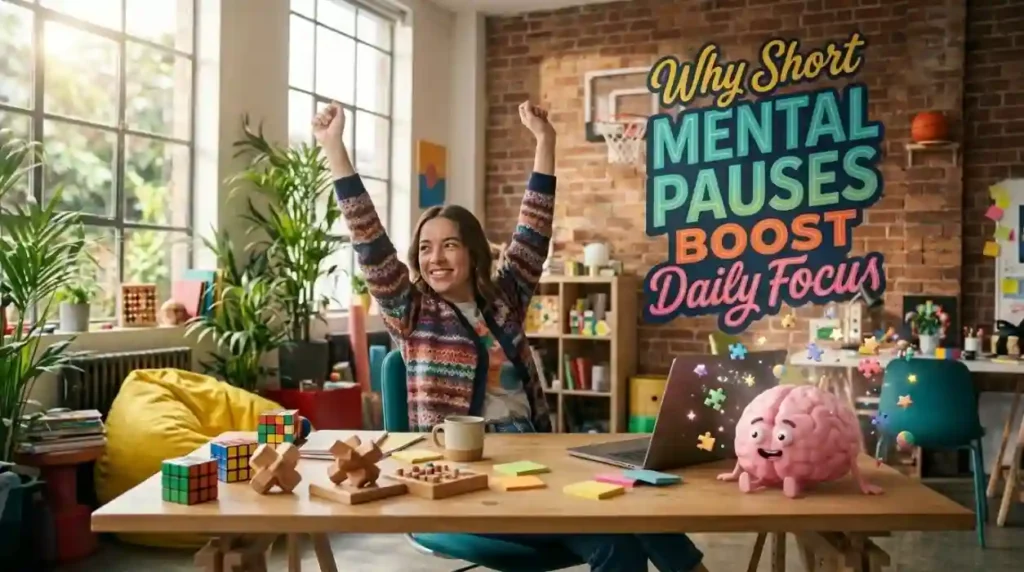
Why Short Mental Pauses Boost Daily Focus
The Science Behind Cognitive Fatigue and Attention Spans
Human brains are not built to maintain intense, laser-like focus for hours without interruption. When you push past natural mental limits, your cognitive processing slows down, leading to frustration, mistakes, and sluggish performance.
Resetting Brain Chemistry Through Playful Movement
Stepping away from tasks for just five minutes triggers dopamine and endorphin releases that refresh neural pathways. Introducing fun brain breaks clears mental clutter, allowing you to return to work or school feeling completely recharged.
- Lowering physical tension caused by sitting still in chairs for too long
- Boosting working memory and problem-solving speed through active play
- Preventing afternoon burnout before it ruins your daily productivity rhythm
Energizing Physical Breaks for High-Energy Groups

Quick Cardiovascular Movements to Wake Up Tired Bodies
When people feel sluggish after sitting through long meetings or lessons, high-energy movement exercises work wonders. Doing jumping jacks, marching in place, or shadowboxing gets blood pumping to the brain instantly.
Balance and Coordination Challenges
Challenging physical balance forces the brain to switch gears away from passive screen fatigue. Asking everyone to stand on one foot while touching their nose tests agility and brings plenty of giggles.
- Stand up safely behind your chair with plenty of personal space
- Perform ten slow, controlled jumping jacks while breathing deeply
- Balance on your right leg for twenty seconds without wobbling
- Shake out your arms and legs to release built-up muscular tension
Stretching and Posture Resets
- Reaching arms high overhead to stretch tight shoulder muscles
- Rolling necks gently from side to side to relieve computer strain
- Touching toes slowly to stretch hamstrings and improve lower back comfort
Calming Mental Breaks for Overwhelmed Minds

Deep Breathing and Guided Mindfulness Exercises
Sometimes groups do not need high-energy movement; they need a peaceful moment to calm racing thoughts. Guiding students or coworkers through slow belly breathing lowers heart rates and restores inner peace.
Visualization and Sensory Focus Games
Asking everyone to close their eyes and imagine their favorite calm place engages creative imagination safely. Alternatively, playing a silent listening game where people identify background sounds refocuses distracted minds.
- Taking five slow, deep breaths while holding imaginary cups of hot cocoa
- Tensing and releasing muscle groups from toes up to facial features
- Listing three quiet things you can hear in the room right now
Creative Movement and Dance Challenges

Freeze Dance and Musical Statues
Playing an upbeat song for sixty seconds lets everyone dance wildly around the room until the music stops. Freezing instantly in funny poses tests body control and creates hilarious group memories.
Mirror Image Partner Exercises
Pairing people up to copy each other’s slow, silly hand motions builds connection and concentration. One partner leads slow movements while the other acts as an exact mirror reflection.
- Mimicking robot movements across the floor to slow musical beats
- Pretending to wade through thick peanut butter or swim underwater
- Acting out silly animal walks like waddling penguins or leaping frogs
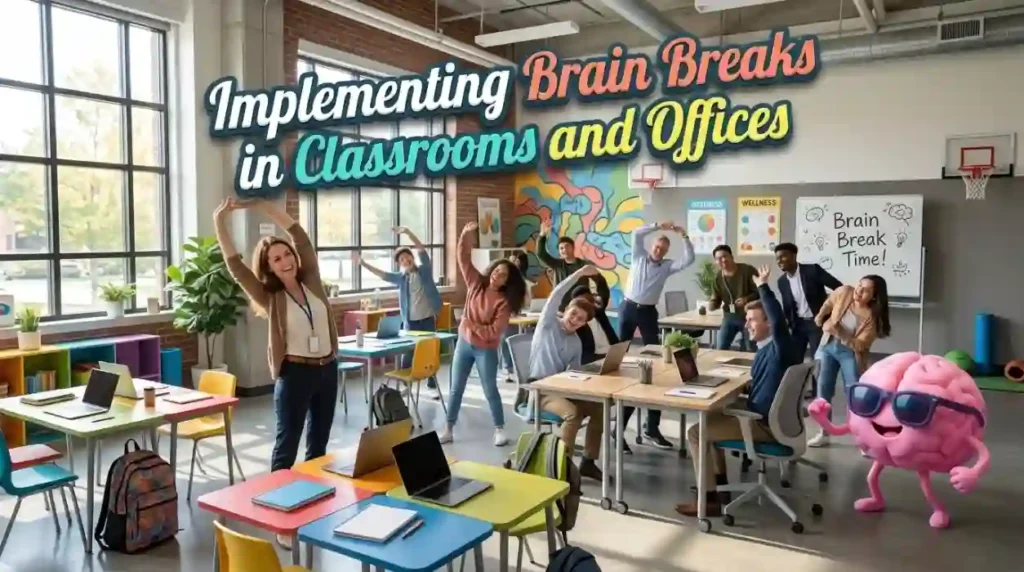
Implementing Brain Breaks in Classrooms and Offices
Choosing the Right Activity for the Time of Day
Morning sessions benefit from gentle stretching to wake up sleepy bodies and minds. Afternoon slumps call for high-energy games or dance challenges to combat heavy post-lunch fatigue.
Establishing Clear Transition Routines
Using a pleasant chime, a specific song, or a countdown timer signals when a break begins and ends smoothly. Clear structure ensures that playful pauses do not derail classroom discipline or office schedules.
Practice Exercise
- What primary biological benefit do short mental pauses provide for human brains?
A. They permanently freeze cognitive functions for the rest of the day
B. They trigger dopamine and endorphin releases that refresh neural pathways
C. They force the brain to stop working permanently
D. They increase physical body weight by five pounds instantly - When is the best time of day to introduce high-energy cardio movement breaks?
A. Right before going to sleep at night
B. During heavy post-lunch afternoon slumps when energy drops
C. While taking a high-stakes written final examination
D. Exactly five minutes before waking up in the morning - Why are balance challenges effective tools during mental pauses?
A. They force the brain to switch gears away from passive screen fatigue
B. They glue your feet securely to the floor tiles permanently
C. They make everyone fall asleep instantly in their chairs
D. They eliminate the need to ever drink water again - How do deep breathing exercises help students before stressful tasks?
A. By lowering heart rates, calming anxiety, and restoring mental focus
B. By filling the classroom with loud musical concert noises
C. By making everyone run three miles around the building
D. By freezing room temperatures to near-freezing levels - What is a helpful way to signal the start and end of a movement pause smoothly?
A. Turning off all lights and hiding under desks in silence
B. Using a pleasant chime, specific song, or countdown timer
C. Ringing loud fire alarm sirens across the building
D. Locking all doors so nobody can ever leave the room
Answer Key:
1. B
2. B
3. A
4. A
4. B
FAQs
How long should a typical classroom or office brain break last?
Brain breaks work best when kept short, lasting anywhere from three to five minutes. This brief window provides an effective neurological reset without disrupting lesson schedules or workflow productivity.
Do brain breaks actually improve overall productivity and grades?
Studies show that active physical and mental pauses increase student concentration, task completion rates, and daily test scores. Giving brains a chance to rest prevents burnout and enhances information retention.
Can adults in professional office settings benefit from brain breaks?
Adults experience afternoon fatigue and mental fog just like students do during long workdays. Quick stretch sessions or brief movement pauses help office teams stay alert and creative.
What should I do if participants feel silly or resistant at first?
Starting with low-stakes, humorous activities like animal walks or silly dance moves helps break down hesitation. Joining in enthusiastically as the leader sets a welcoming tone that encourages participation.
How often should daily brain breaks be scheduled?
Scheduling a brief mental pause every sixty to ninety minutes maintains steady focus throughout the day. Listening to your group’s energy levels helps you decide when a spontaneous reset is needed.
Do we need special equipment to run fun brain breaks?
Most effective brain breaks require zero equipment beyond open floor space and your own body weight. Simple movement games and breathing exercises work anywhere without purchasing expensive supplies.
Conclusion
Incorporating short, playful pauses into your daily routine is one of the easiest ways to keep energy high and stress levels low. Whether you are leading a classroom of restless students or managing a tired office team, taking time to move and laugh changes everything.
Embracing these small resets helps everyone return to their tasks with clearer minds and happier spirits. For more helpful activity guides and productivity tips, explore our complete collection of fun brain breaks.
Start your first energizing pause today, bring a smile to your group, and enjoy the wonderful benefits of mindful play!

Rose Amili is the writer behind LaughSphere.com, a website where learning meets curiosity and fun. She enjoys exploring fascinating facts, surprising stories, science, history, nature, weather, and many other interesting subjects. Her writing style is simple, friendly, and easy to understand, making information enjoyable for readers of all backgrounds.
Through LaughSphere.com, Rose Amili hopes to spark curiosity and encourage readers to discover something new every day. She believes even an ordinary topic can become interesting when it is shared from a fresh and engaging perspective. Her goal is to create useful, enjoyable content that readers can understand easily, remember, and share with others.