
Fun corn facts include incredible botanical secrets, surprising historical milestones, and unique agricultural trivia. They reveal that corn grows on every continent except Antarctica, features an even number of rows on every ear, and has been cultivated by human societies for thousands of years.
Have you ever looked at a simple golden ear of corn on your dinner plate and wondered about its hidden history? Discovering fun corn facts reveals that this everyday vegetable is actually a botanical marvel hiding in plain sight.
You do not need to be an agricultural scientist to appreciate the wild and wacky secrets behind this golden crop. Let us look at what makes maize so astonishing.
Whether you love movie theater popcorn or grilled cobs at summer cookouts, fun corn facts add flavor to every single bite. You will find fascinating trivia waiting for you right here.
Get ready to explore ancient origins, surprising kernel counts, and popcorn physics designed to make fun corn facts your favorite dinner table conversation starter.
The Incredible History and Ancient Roots of Maize

How Indigenous Farmers Cultivated Wild Grass
Thousands of years ago in ancient Mexico, farmers transformed a tiny wild grass called teosinte into the hearty crop we know today. This careful breeding process stands as one of humanity’s greatest agricultural achievements.
The Sacred Status of Corn in Early Civilizations
Ancient Mayan and Aztec societies revered maize as a sacred gift from the gods that sustained their entire empires. Religious ceremonies, art, and daily life revolved entirely around the successful harvest of this golden plant.
- Carvings of corn deities found in ancient stone temples
- Mythology depicting humans created directly from sacred maize dough
- Ritual dances performed to encourage heavy seasonal rainfall
Astonishing Botanical Secrets of the Corn Plant
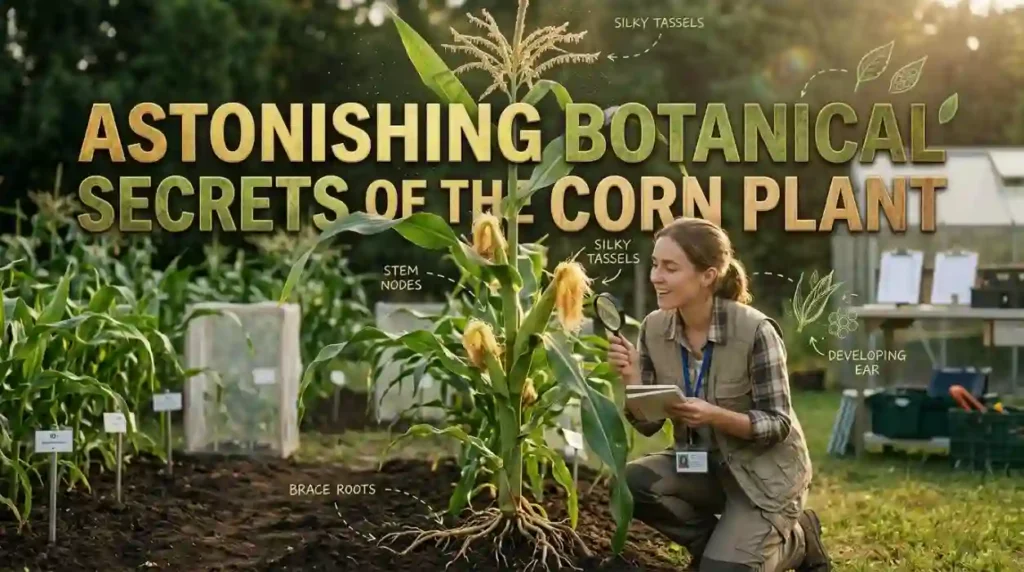
Why Every Ear Has an Even Number of Rows
Have you ever tried counting the kernels on a fresh cob and noticed something mathematically consistent? Every single ear of corn in the world features an even number of rows, usually ranging from sixteen to eighteen.
The Surprising Truth About Silk Threads
Those sticky silk threads hanging from the top of a corn husk are not just decorative parts of the plant. Each strand connects directly to a single kernel and must catch pollen to help the ear grow.
- Capturing microscopic airborne pollen grains floating in the wind
- Ensuring every kernel develops fully before harvest time
- Turning brown and dry as the plant reaches maturity
Popcorn Physics: Why Kernels Explode Into Snacks

The Tiny Drop of Water Inside Every Kernel
Popcorn is a special variety of corn featuring a hard, moisture-sealed outer shell that traps steam when heated. As the kernel warms up, that trapped water turns into pressure-cooking steam.
The Science Behind the Famous Popping Sound
When internal pressure reaches its peak, the kernel violently turns inside out, creating the fluffy white snack we love. That sudden sound is not actually the shell cracking against the pan, but rather the release of trapped steam.
- Reaching temperatures over three hundred degrees Fahrenheit inside
- Expanding to many times its original seed volume instantly
- Creating the distinct audible pop as pressure escapes
Global Cultivation and Surprising Industrial Uses

Growing on Almost Every Continent
Aside from freezing Antarctica, corn is successfully cultivated in diverse climates all across the globe. Farmers plant millions of acres every single year to meet massive international demand.
Beyond the Dinner Table: Everyday Corn Products
Most people think of corn only as food, but it hides inside thousands of everyday industrial products. Manufacturers use corn derivatives to make items you use without ever realizing it.
- Biodegradable packaging materials and plastics
- Batteries, adhesives, and pharmaceutical binding agents
- Ethanol fuel blends powering automobiles worldwide
Fun Trivia and World Records Involving Maize

Giant Mazes and Agricultural Art
Farmers love celebrating autumn harvests by cutting massive, intricate mazes into their cornfields for families to explore. These giant outdoor puzzles take months of planning and precise GPS mapping.
Unbelievable Size and Weight Records
Agricultural competitions regularly showcase massive stalks and ears grown by dedicated hobbyists seeking world titles. The sheer adaptability of the plant allows it to thrive in surprising conditions.
- Stalks growing taller than twenty feet under ideal conditions
- Miniature ornamental varieties featuring rainbow-colored kernels
- Sweet corn varieties containing twice the natural sugar levels
Practice Exercise
- What was the ancient wild grass ancestor of modern corn called?
A. Teosinte
B. Bamboo
C. Papyrus
D. Wheatgrass - Why do all ears of corn feature an even number of rows?
A. It is a mathematical rule determined by how kernels pair up during pollination
B. Farmers hand-paint every kernel in pairs before selling them
C. Insects bite the husks to create symmetrical patterns
D. Modern grocery stores reject cobs with odd numbers - What causes a popcorn kernel to explode when heated?
A. Chemical reactions with metal cooking pans
B. Trapped water turning into high-pressure steam inside the hull
C. External static electricity buildup in the microwave
D. Tiny insects jumping inside the seed coat - On which continent is corn NOT successfully cultivated?
A. South America
B. Europe
C. Antarctica
D. Australia - What happens to the silk threads on top of a growing corn husk?
A. They turn into sweet syrup
B. They catch airborne pollen to help kernels develop
C. They protect the plant from garden pests like beetles
D. They fall off and grow into brand new stalks instantly
Answer Key:
1. A
2. A
3. B
4. C
5. B
Frequently Asked Questions
Is corn considered a fruit, vegetable, or grain?
Botanically speaking, corn kernels are classified as grain fruits because they develop from the flower ovary of the plant. In culinary terms, sweet corn is treated as a vegetable, while dried field corn functions as a grain.
Why do some popcorn kernels refuse to pop?
Unpopped kernels, often called old maids, lack sufficient internal moisture or have microscopic cracks in their outer hulls. Without enough trapped water to build steam pressure, the seed simply heats up without exploding.
Can you eat raw corn straight from the stalk?
Modern sweet corn varieties can be safely eaten raw right off the cob because their sugars have not yet converted into starch. Farmers often taste-test crops in the field before harvesting them.
What gives colored ornamental corn its vibrant shades?
Rainbow corn features natural pigments called anthocyanins that create deep reds, blues, and purples in the kernels. These gorgeous varieties are mostly grown for decoration rather than sweet eating.
How much corn does the average person consume annually?
People in North America consume hundreds of pounds of corn every year through fresh produce, sweeteners, oils, and hidden ingredients. Much of this total comes from processed foods containing corn syrup.
Why does fresh corn lose its sweetness quickly after picking?
Once harvested, the natural sugars inside sweet corn immediately begin converting into tasteless starch. Cooking or refrigerating the cobs right away locks in that delicious farm-fresh flavor.
Conclusion
Learning about our favorite golden crop proves that everyday foods hold incredible secrets and fascinating histories. From ancient wild grasses to popcorn physics, exploring these fun corn facts brings a little extra joy to snack time.
Whether you are navigating an autumn corn maze or enjoying buttered kernels at the movies, your appreciation for maize will never be the same. For more amazing trivia and engaging guides, check out our favorite fun corn facts.
Grab a snack, share these amazing stories with your friends, and celebrate the wonderful world of corn today!

Rose Amili is the writer behind LaughSphere.com, a website where learning meets curiosity and fun. She enjoys exploring fascinating facts, surprising stories, science, history, nature, weather, and many other interesting subjects. Her writing style is simple, friendly, and easy to understand, making information enjoyable for readers of all backgrounds.
Through LaughSphere.com, Rose Amili hopes to spark curiosity and encourage readers to discover something new every day. She believes even an ordinary topic can become interesting when it is shared from a fresh and engaging perspective. Her goal is to create useful, enjoyable content that readers can understand easily, remember, and share with others.